Posted onNovember 27, 2018|Comments Off on Plan to address our lack of a commercial tax base
I just responded to a great comment from Nic Scalfarotto, and since my general sense is that such comments and my replies are not likely seem by many, and sense Nic raised a big issue, I thought I would post both his comment and my reply here so more can see them.
Accepting that developing differential tax rates would not provide benefit to home owners because there is a small industrial base, a plan to address the lack of such a base needs to be developed and communicated to residents.
As a new selectman, my first search was for businesses that wanted to locate in town, and when that did not seem a likely result, I have turned to having a town policy of building housing that is revenue positive to the town.
We know that people want to live in town, but mainly not build businesses here. The can make tax money and reduce our current residents’ taxes by building the kind of housing that is more profitable, such as Old Village Square (42 units paying over $600K/year in taxes, with one school child the last time I heard) or the two Larkin brothers projects (Glover Place off North Street and Chapel Hill on Hospital Road, again, both with few school children).
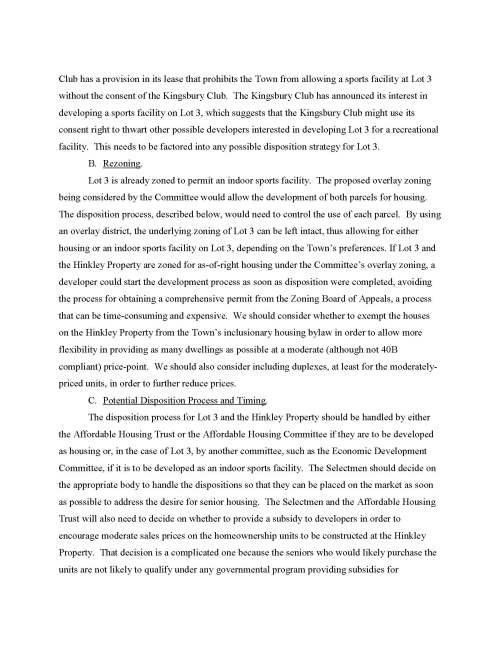
See the analysis that Kathy McCabe, the consultant to the Medfield State Hospital Master Planning Committee, did of the potential taxes to the town from leasing the lot 3 land the town owns on Ice House Road to build 42 units of senior housing versus leasing to a commercial facility, and the town netted either more than double or more that triple the taxes from the residential use over the sports complex, depending on whether the housing was either 100% or 25% affordable, respectively. Those results were summarized in Steve Nolan’s 1/2/2018 memo to the Board of Selectmen available here –20180102-SN-Memo to MSHMPC re HinkleyIce House Road v2 – final sent to BoS and inserted below as well.
I think that many of the friendly 40B projects that we are currently allowing in order to be in safe harbor, will be revenue positive. Statistically, we are told that we will likely average about 1.5 school children per in single family houses, while we will likely average 0.15 school children per unit in multifamily housing. So multifamily housing may well be revenue positive for the town, even if not age restricted.
Additionally, the town is already mainly single family homes, so we really do not need any more single family homes options, while we do not have a sufficient variety of other housing opportunities for residents, especially for seniors. Current proposals in the pipeline will assist at filling in that gap:
8 units on North Street (two developments)
36 units on Dale Street
16 units on Adams Street, age restricted
42 units at the Rosebay, age restricted
56 units (from memory) at The Legion site
However, such diversification of the tax base can only accomplish so much with respect to reducing our individual tax bills. The other issue with which we need to deal is the town’s willing to spend, witness our vote at the last annual town meeting (ATM) to increase our tax bills by about 10%, over the objections of the Board of Selectmen and the Warrant Committee.
===============================================
Comments Off on Plan to address our lack of a commercial tax base
I think that the Town of Medfield will need to plan for this coming sea change in how we get around. I see:
less need for buses at the Council on Aging;
requiring fewer parking spaces for the Medfield State Hospital development;
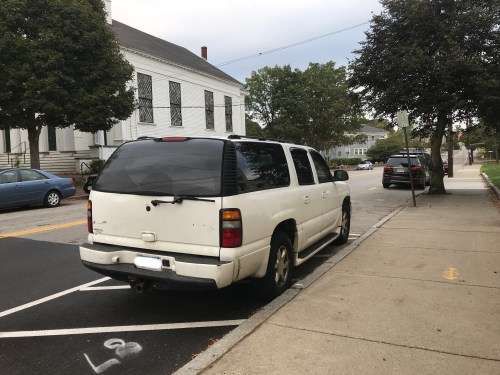
no real need to spend money to alleviate the current parking congestion in the downtown, as it will disappear on its own; and
since we receive about $2m. a year from the auto excise taxes residents pay, the town will need to find a replacement source for those receipts as they dry up as car ownership declines.
Why you have (probably) already bought your last car
By Justin RowlattBBC News
10 October 2018
Image copyrightGETTY IMAGESImage captionDriverless taxis – the transport of the future?
I’m guessing you are scoffing in disbelief at the very suggestion of this article, but bear with me.
A growing number of tech analysts are predicting that in less than 20 years we’ll all have stopped owning cars, and, what’s more, the internal combustion engine will have been consigned to the dustbin of history.
Yes, it’s a big claim and you are right to be sceptical, but the argument that a unique convergence of new technology is poised to revolutionise personal transportation is more persuasive than you might think.
The central idea is pretty simple: Self-driving electric vehicles organised into an Uber-style network will be able to offer such cheap transport that you’ll very quickly – we’re talking perhaps a decade – decide you don’t need a car any more.
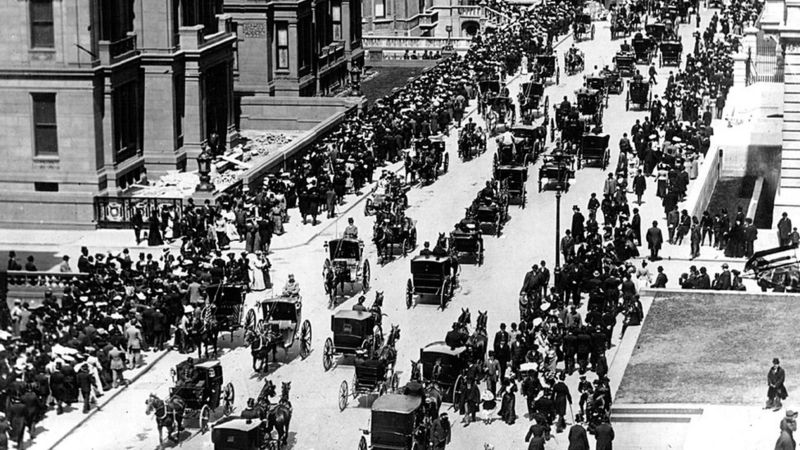
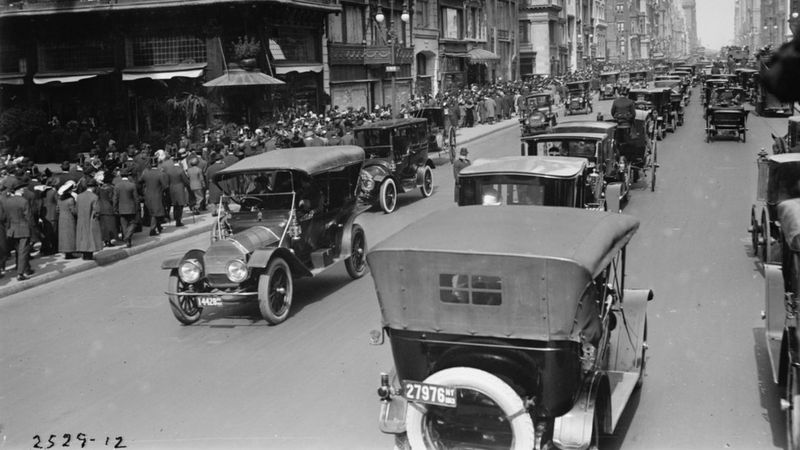
And if you’re thinking this timescale is wildly optimistic, just recall how rapidly cars replaced horses.
Take a look at this picture of 5th Avenue in New York in 1900. Can you spot the car?
Image copyrightNATIONAL ARCHIVES
Now look at this picture from 1913. Yes, this time where’s the horse?
So how will this latest transportation revolution unfold?
The driverless Uber model
First off, consider how Uber and other networked taxi companies have already changed the way we move around. In most major cities an Uber driver – or one of its rivals – is usually just a couple of minutes away, and charges less than established taxis, let’s say £10.
Now take out the driver. You’ve probably cut costs by at least 50%.
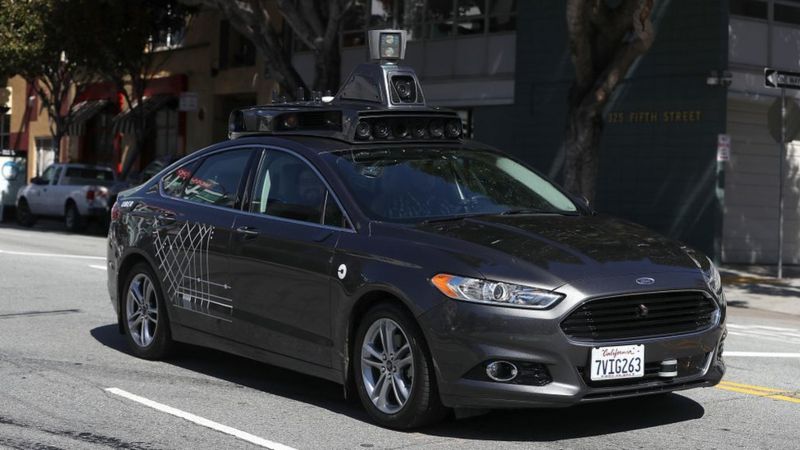
Image copyrightGETTY IMAGESImage captionUber has been experimenting with driverless cars
So if we’re trying to work out when this revolution will begin in earnest the key date will be when self-driving vehicle technology is available and – crucially – has regulatory backing.
And, say enthusiasts for autonomy, it will only take one city to prove the technology is safe and useful and the rest of the world will very quickly rush to catch up.
So self-driving cars have cut our £10 journey to £5.
The switch to electric
Now imagine the current mostly fossil fuel-powered taxi fleet is replaced with electric cars.
At the moment electric vehicles are more expensive than similar models with internal combustion engines, but offer significantly lower lifetime costs.
They are more reliable, for a start. The typical electric car has around 20 moving parts compared to the 2,000 or so in an internal combustion engine.
As a result electric vehicles also tend to last much longer. Most electric car manufacturers expect their vehicles to keep on going for at least 500,000 miles.
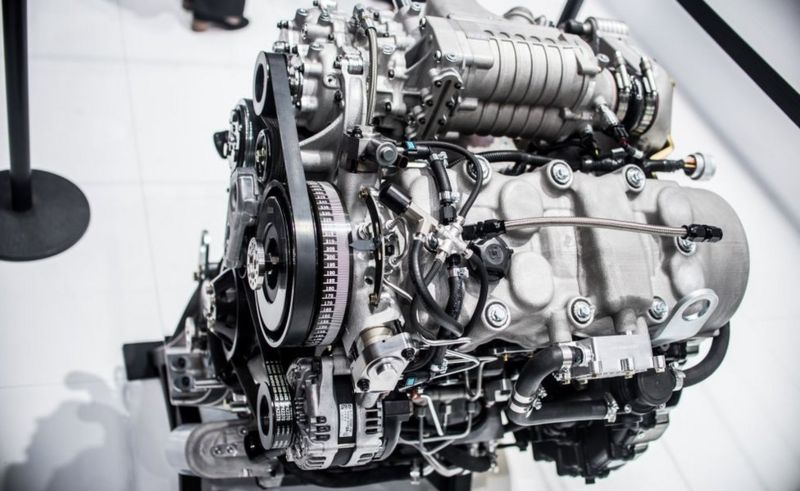
Image copyrightGETTY IMAGESImage captionThe end of the road for the internal combustion engine?
Add in the low cost of recharging batteries compared to refuelling and you’ve got another dramatic reduction in costs.
And it’s worth noting that the cost of electric vehicles is likely to continue to fall, and rapidly. As they become mainstream, returns to scale will drive down costs. That’s the logic behind Tesla’s $5bn (£3.8bn) battery plant, the so-called “Gigafactory”.
How does this affect our £10 journey?
It brings another dramatic reduction. Fully autonomous electric taxi networks could offer rides at as little as 10% of current rates.
At least that’s what tech prophet Tony Seba reckons. He and his team at the think-tank RethinkX have done more than anyone else to think through how this revolution might rip through the personal transportation market.
‘Transport as a service’
We’ve now cut our £10 fare to just £1.
Mr Seba calls the idea of a robo-taxi network “transport as a service”, and estimates it could save the average American as much as $6,000 (£4,560) a year. That’s the equivalent of a 10% pay rise.
And don’t forget, when the revolution comes you won’t be behind the wheel so now you’ll be working or relaxing as you travel – another big benefit.
You still think that car parked outside your flat is worth having?
What’s more, once this new model of getting around takes hold the benefits are likely to be reinforcing. The more vehicles in the network, the better the service offered to consumers; the more miles self-driving cars do, the more efficient and safer they’ll get; the more electric vehicles manufactured, the cheaper each one will be.
Image copyrightGETTY IMAGESImage captionDon’t worry about running out of charge
Don’t worry that rural areas will be left out. A vehicle could be parked in every village waiting for your order to come.
And range anxiety – the fear that you might run out of electricity – won’t be a problem either. Should the battery run low the network will send a fully charged car to meet you so you can continue your journey.
You’ve probably seen headlines about accidents involving self-driving cars but the truth is they will be far safer than ones driven by you and me – they won’t get regulatory approval if they are not. That means tens of thousands of lives – perhaps hundreds of thousands – will be saved as accident rates plummet.
That will generate yet another cost saving for our fleets of robo-taxis. The price of insurance will tumble, while at the same time those of us who insist on continuing to drive our own vehicles will face higher charges.
Human drivers banned
According to the tech visionaries it won’t be long before the whole market tilts irreversibly away from car ownership and the trusty old internal combustion engine.
RethinkX, for example, reckons that within 10 years of self-driving cars getting regulatory approval 95% of passenger miles will be in these electric robo-taxis.
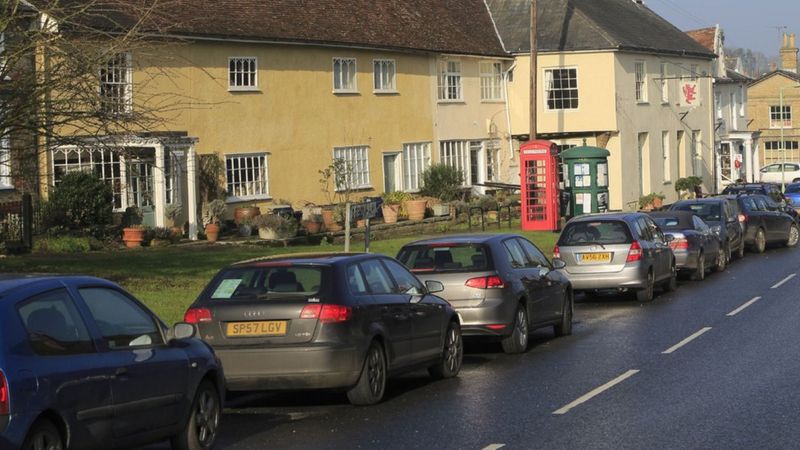
Image copyrightGETTY IMAGESImage captionWill cars parked outside houses soon be a thing of the past?
The logical next step will be for human beings to be banned from driving cars at all because they pose such a risk to other road users.
Take a moment to think about the wide-reaching effects this revolution will have, aside from just changing how we get around. There will be downsides: millions of car industry workers and taxi drivers will be looking for new jobs, for a start.
But think of the hundreds of billions of dollars consumers will save, and which can now be spent elsewhere in the economy.
Meanwhile, the numbers of cars will plummet. RethinkX estimates that the number of vehicles on US roads will fall from nearly 250 million to just 45 million over a 10-year period. That will free up huge amounts of space in our towns and cities.
And, please take note: I haven’t mentioned the enormous environmental benefits of converting the world’s cars to electricity.
That’s because the logic of this upheaval isn’t driven by new rules on pollution or worries about global warming but by the most powerful incentive in any economy – cold hard cash.
That said, there’s no question that a wholesale switch away from fossil fuels will slow climate change and massively reduce air pollution.
In short, let the revolution begin!
But seriously, I’ve deliberately put these arguments forcefully to prompt debate and we want to hear what you think.
Posted onSeptember 5, 2018|Comments Off on Master Planning Committee seeking members
The Board of Selectmen will be appointing a committee on October 16 to do town wide master planning. Any residents interested in serving on that committee should submit an expression of interest and a resume to Evelyn Clarke – call her at 508-906-3012 or email her at eclarke@medfield.net.
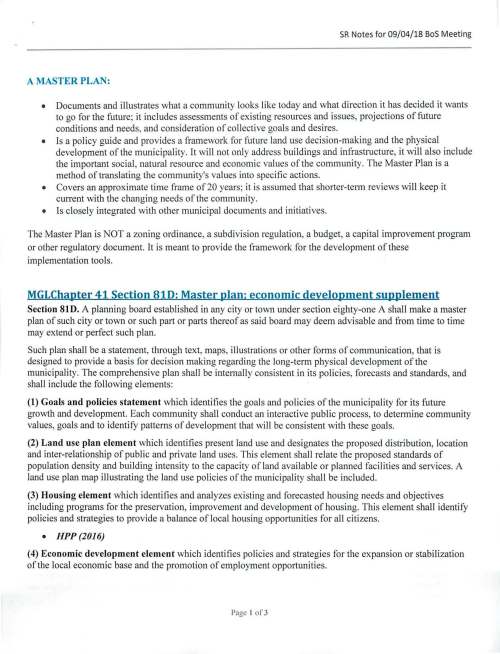
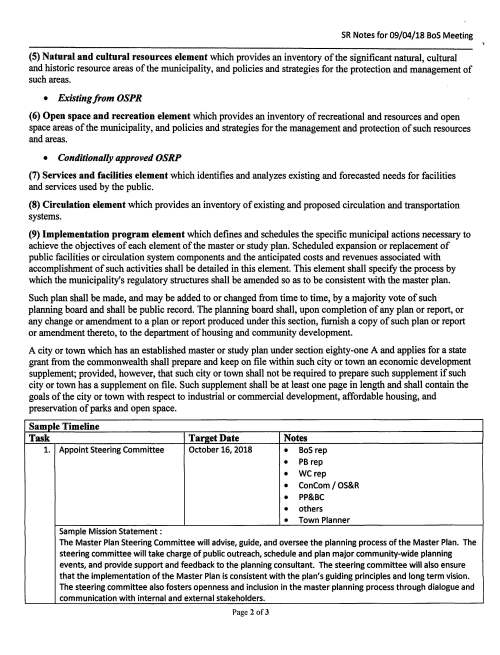
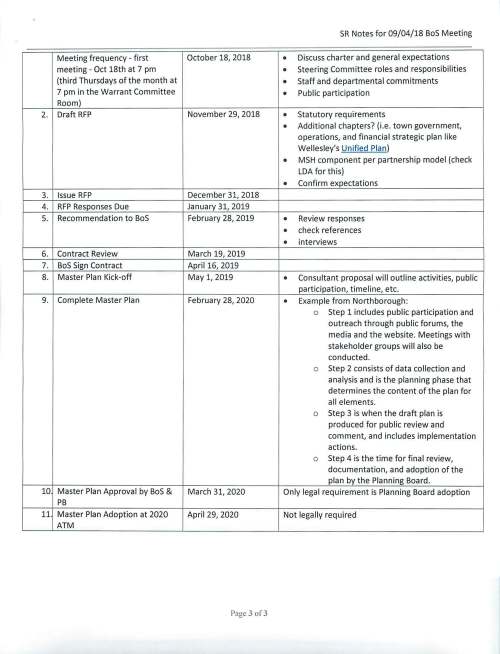
Below is the outline of both the master planning process and a proposed timeline put together by Sarah Raposa, Town Planner.
Comments Off on Master Planning Committee seeking members
Email today from the Medfield State Hospital Master Planning Committee –
Medfield State Hospital Master Plan Committee Update
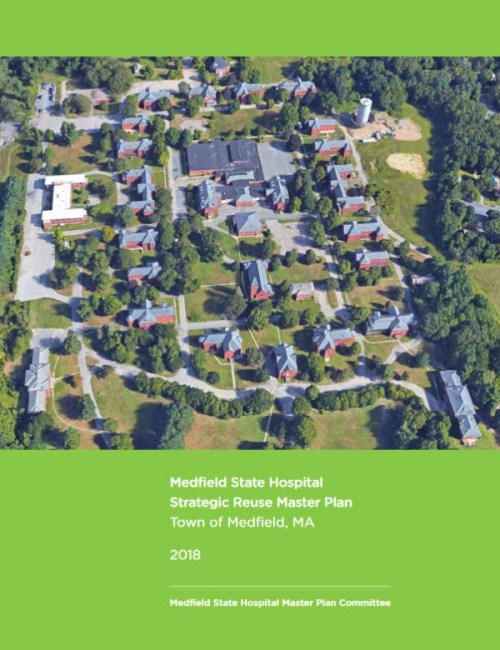
The Medfield State Hospital Master Planning Committee is pleased to announce the release of the Medfield State Hospital Strategic Reuse Master Plan for the State Hospital site after four years of intensive effort.
The cover of the Medfield State Hospital Strategic Reuse Master Plan.
Preferred Master Plan Released
Residential, cultural, commercial, retail, and recreational uses are incorporated into the plan. Key features include:
· diverse housing types addressing needs for seniors, down-sizers, millennials, and affordability;
· restoration and reuse of almost all of the existing buildings;
· maximizing open space and vistas;
· buildings and open area for a cultural hub; and
· space designated for a recreational and athletic complex.
The plan balances the priorities and desires of the Community with the economic and financial objectives of minimal impacts on school and Town services, minimal effects on property tax rates, and the potential for profitable development from the investor’s perspective.
Posted onJuly 7, 2018|Comments Off on BoS hears MSH master plan on 7/10
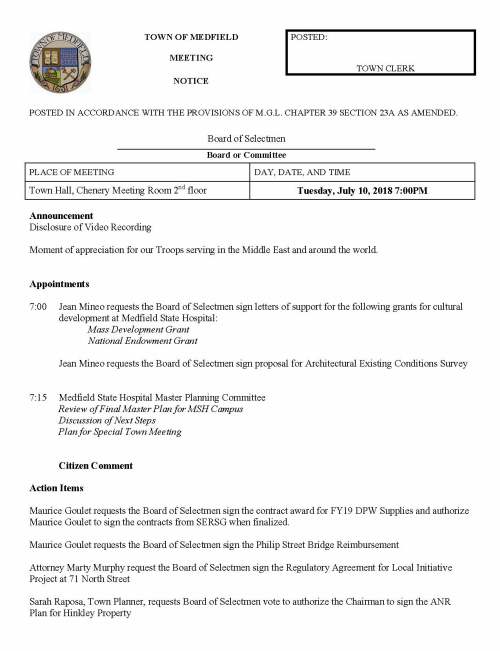
The Board of Selectmen meeting on Tuesday July 10, 2018 is all about the plans for the former Medfield State Hospital site.
The Medfield State Hospital Master Planning Committee will present its master plan (now 200 pages, down from 500 pages). I have been asked by the MSHMPC to not share its master plan yet. I expect I can share it after our meeting on Tuesday, and will plan to do so.
The permitting for the proposed LCB assisted living facility behind the Clark Tavern on Main Street with the Zoning Board of Appeals and the Planning Board is starting up again with a Zoning Board of Appeals hearing on 5/23 at 7PM at the Blake Middle School auditorium. In advance of that ZBA hearing Town Planner, Sarah Raposa circulated the most recent peer review by the town’s engineering consultants, BETA Engineering, dated 4/19/2016, which gives a summary of where things stand.
Also, I believe that there are still two outstanding and as yet unresolved apeals by LCB of the wetlands determination issues by the Town of Medfield Conservation Commission. I understand those appeals are pending with the state DEP and at the Norfolk Superior Court. The ConCom determined that Vine Brook is a “perennial stream” (i.e. it flows year round) and as a result that building setbacks are subject to the 200′ Rivers Act requirements. I believe that LCB takes the position that Vine Brook is only “intermittent,” and that therefore the Rivers Act setback do not control.
Below is Sarah’s transmission email to town department heads –
LCB is coming back from continuance-hiatus next Wednesday night (5/23) with the ZBA. I wanted to refresh your memories on the project and where Beta is at with the reviews. The application and plans may be viewed here: Dropbox Link
Attached is the most recent civil and traffic engineering review from Beta.
For some departments, your predecessors submitted comments on the project. Previously submitted comments are HERE. You may wish to update departmental comments, if so, please provide written comments by next Wednesday at 10 am.
Looking closely, I don’t having anything from the Fire Department (though I know Chief Kingsbury reviewed the plan).
I did not include the COA and School Dept. in 2015 but feel free to submit if you have any comments for the ZBA.
I do have several documents from the Historical Commission that I didn’t attach here but are online. I know you’ll be at the meeting on Wednesday to submit comments in person.
All are welcome to the public hearing session: Wednesday, May 23, 2017 at 7:00 pm at the Blake Middle School Auditorium.
Thank you,
Sarah
Sarah Raposa, AICP
Town Planner
459 Main Street
Medfield, MA 02052
(508) 906-3027 sraposa@medfield.net
Posted onMarch 19, 2018|Comments Off on Take the parking survey
From Sarah Raposa –
Reminder!
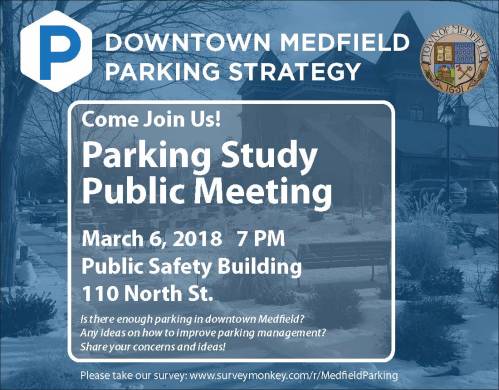
The Economic Development Committee (EDC) and their consultants from Nelson\Nygaard are requesting public input in formulating strategies for a parking management plan for downtown Medfield.
Public Safety Building (First Floor Training Room)
The Economic Development Committee (EDC) and their consultants from Nelson\Nygaard will discuss and request in formulating strategies for a parking management plan for downtown Medfield. This process is funded by a grant from the Massachusetts Downtown Initiative Technical Assistance (MDI) Program. The guiding principle of the MDI is to address economic and community development needs holistically and provide a framework of interrelated activities that promote positive change in a downtown to keep it healthy and prosperous. The EDC would like to hear from property owners, business owners, residents, and users of the downtown about locations and availability of spaces, walkability, safety, and signage.
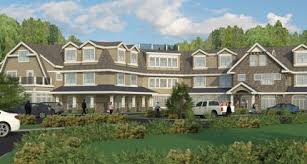
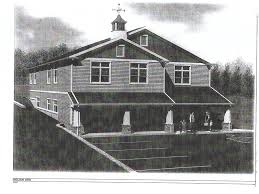
I was informed at the Board of Selectmen meeting last night that the owners of the Medfield Children’s Center may be abandoning their planned use of the 75 High Street site (rendering shown above), for which they have been seeking site plan approval from the planning board. I was told that the owners have located a preferred location for the Medfield Children’s Center that is on Rte. 27, but at the other side of town.
I started this blog to share the interesting and useful information that I saw while doing my job as a Medfield select board member. I thought that my fellow Medfield residents would also find that information interesting and useful as well. This blog is my effort to assist in creating a system to push the information out from the Town House to residents. Let me know if you have any thoughts on how it can be done better.
For information on my other job as an attorney (personal injury, civil litigation, estate planning and administration, and real estate), please feel free to contact me at 617-969-1500 or Osler.Peterson@OslerPeterson.com.