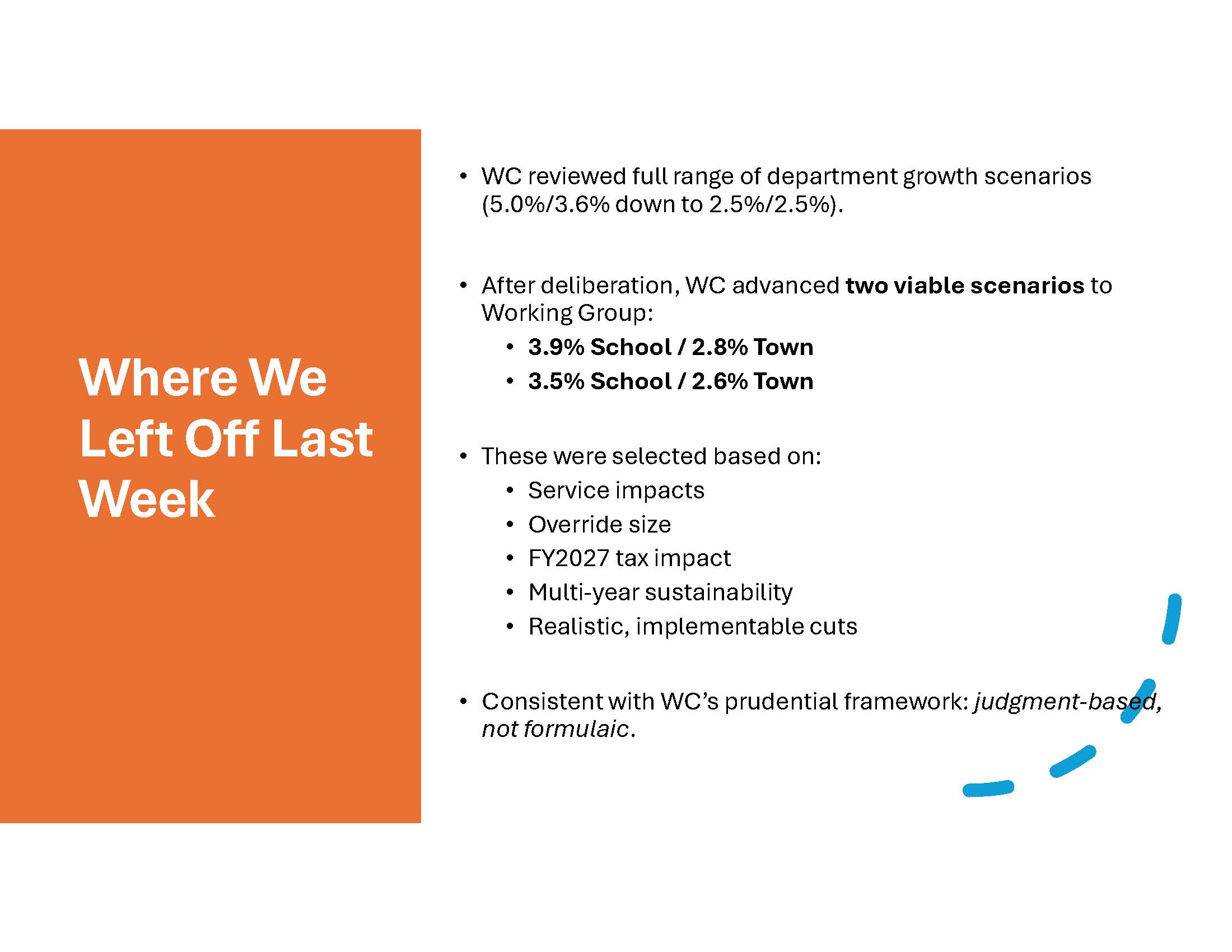
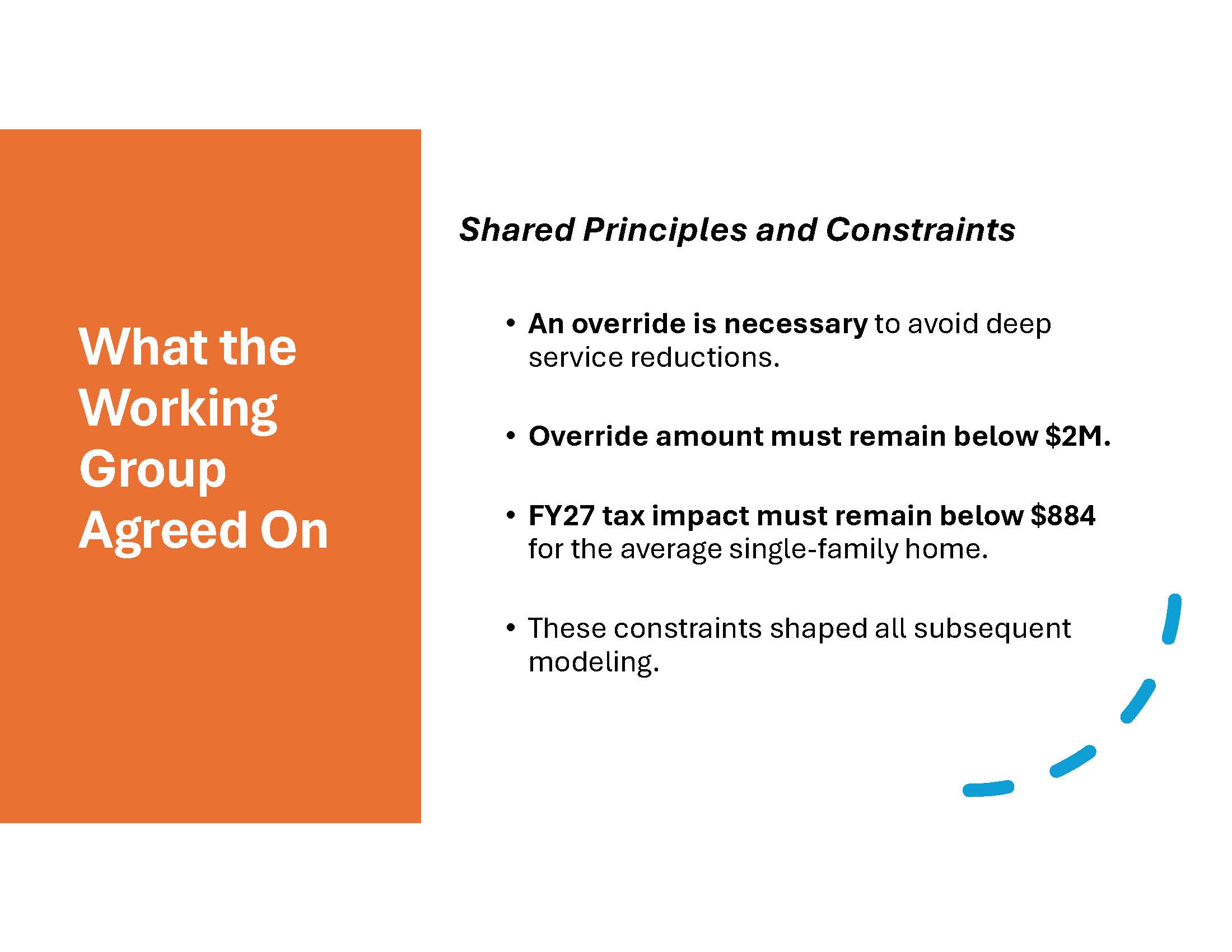
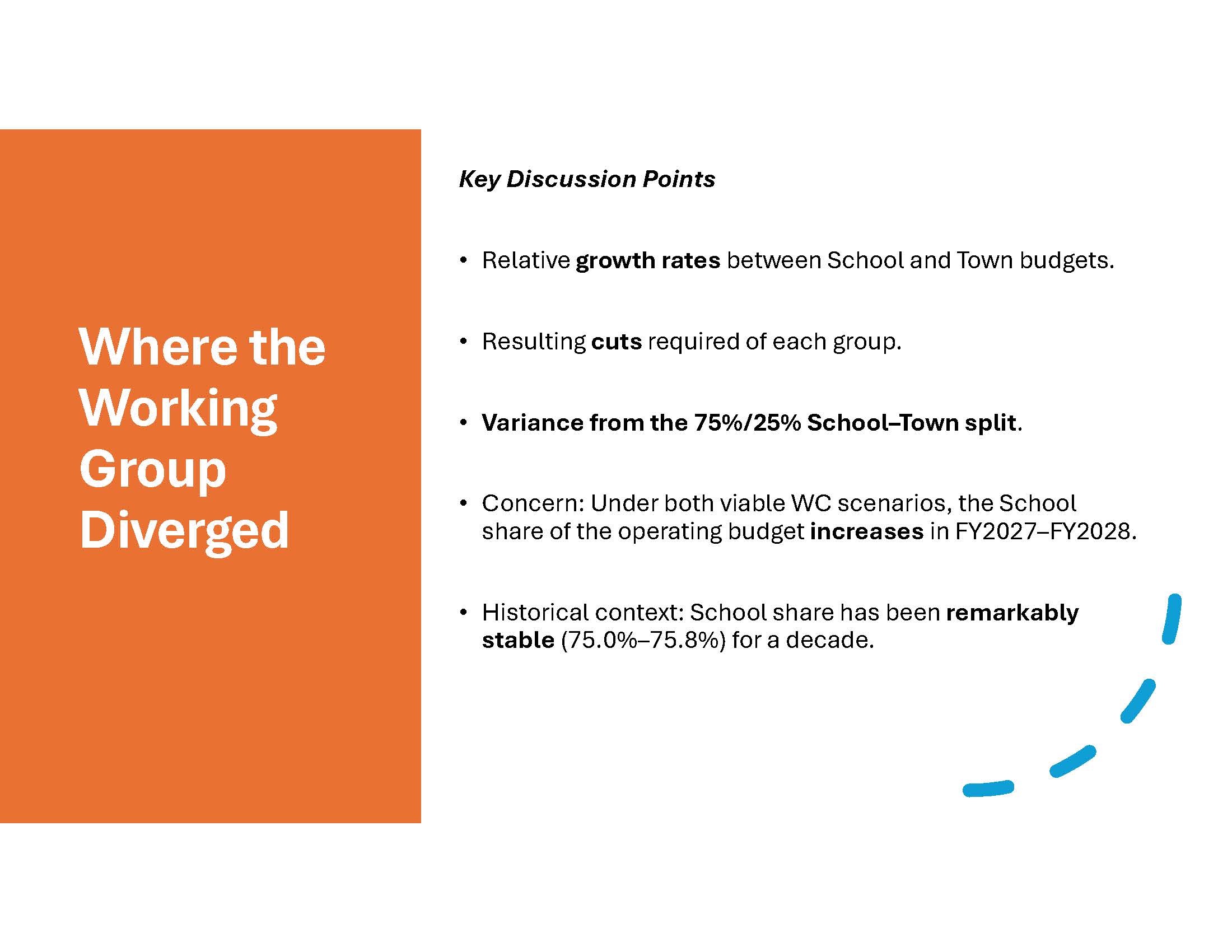
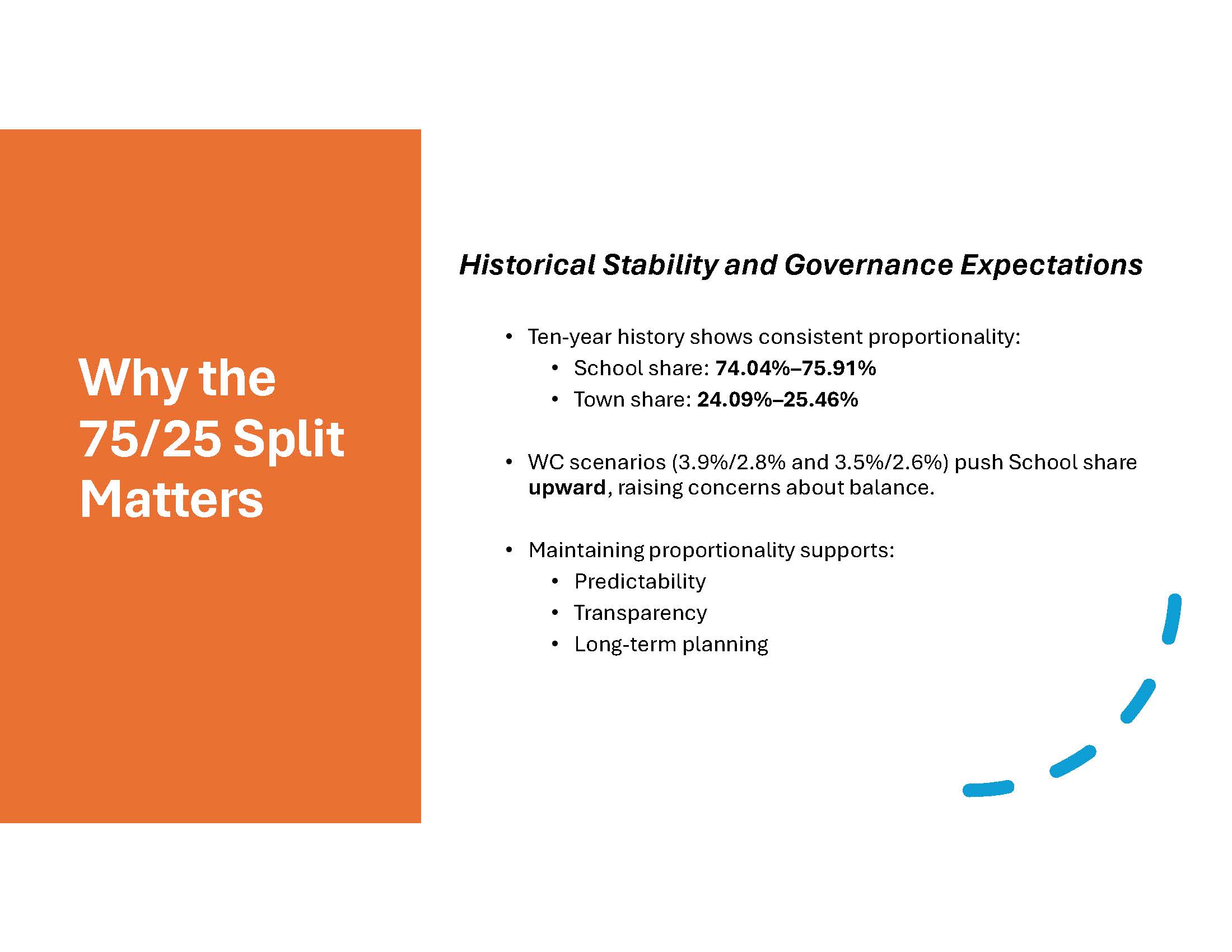
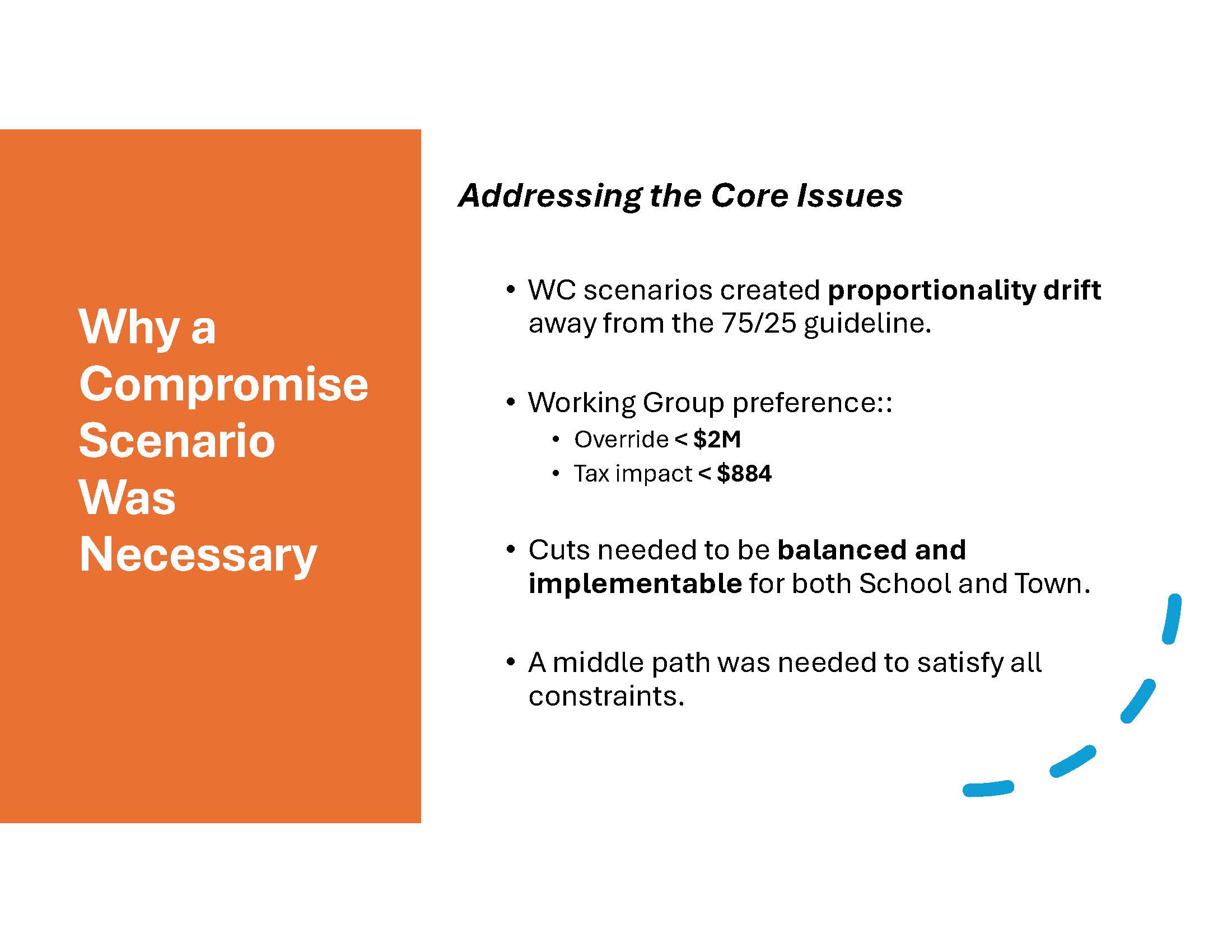
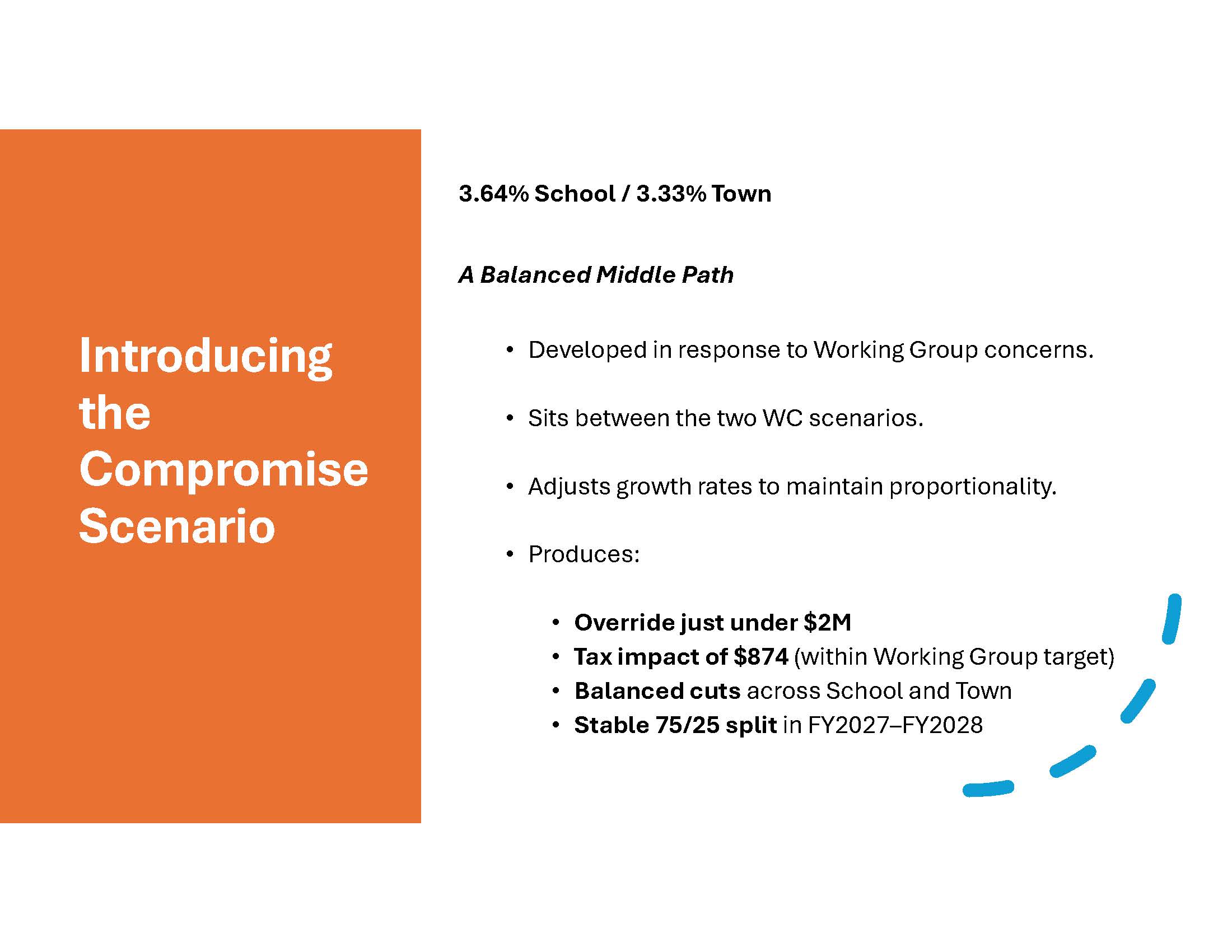
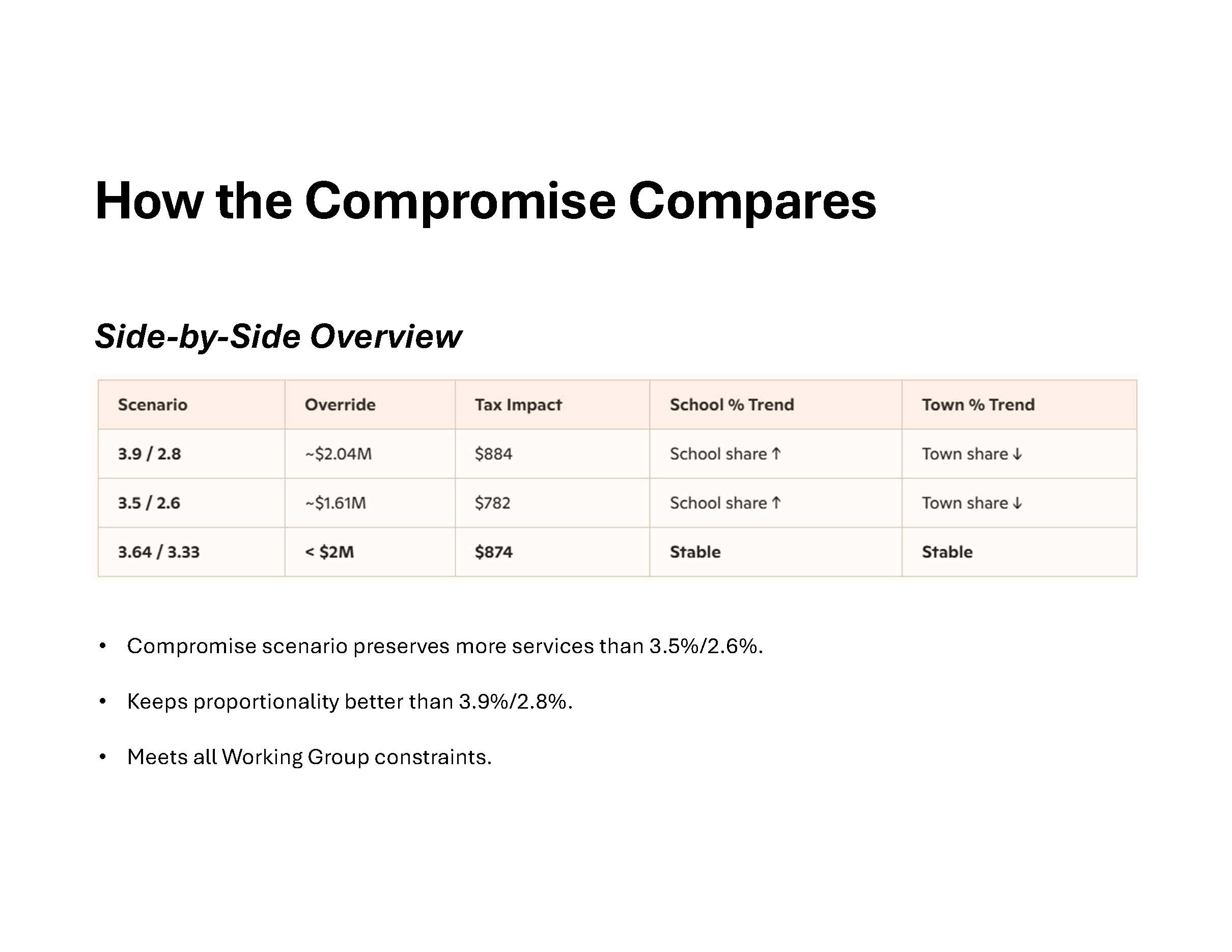
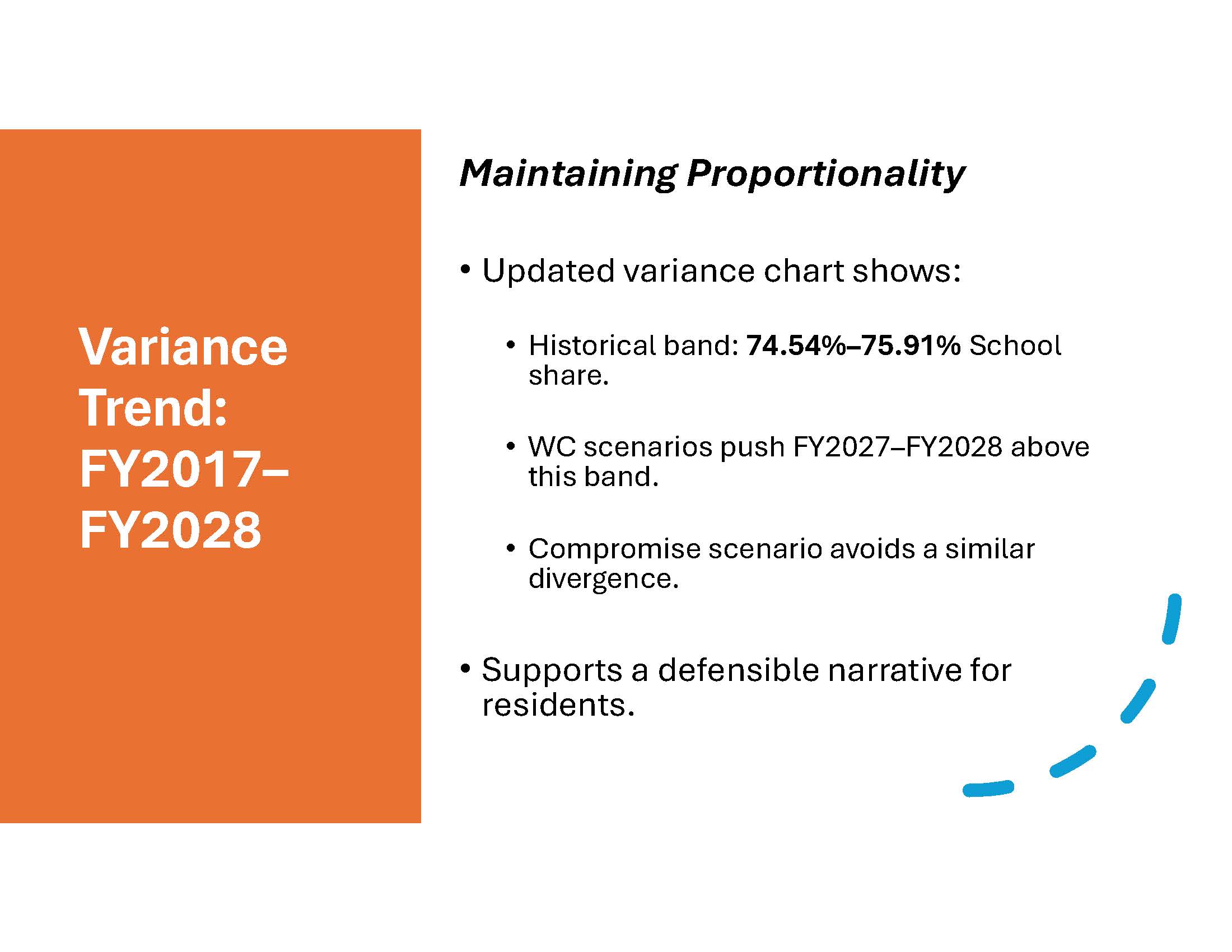
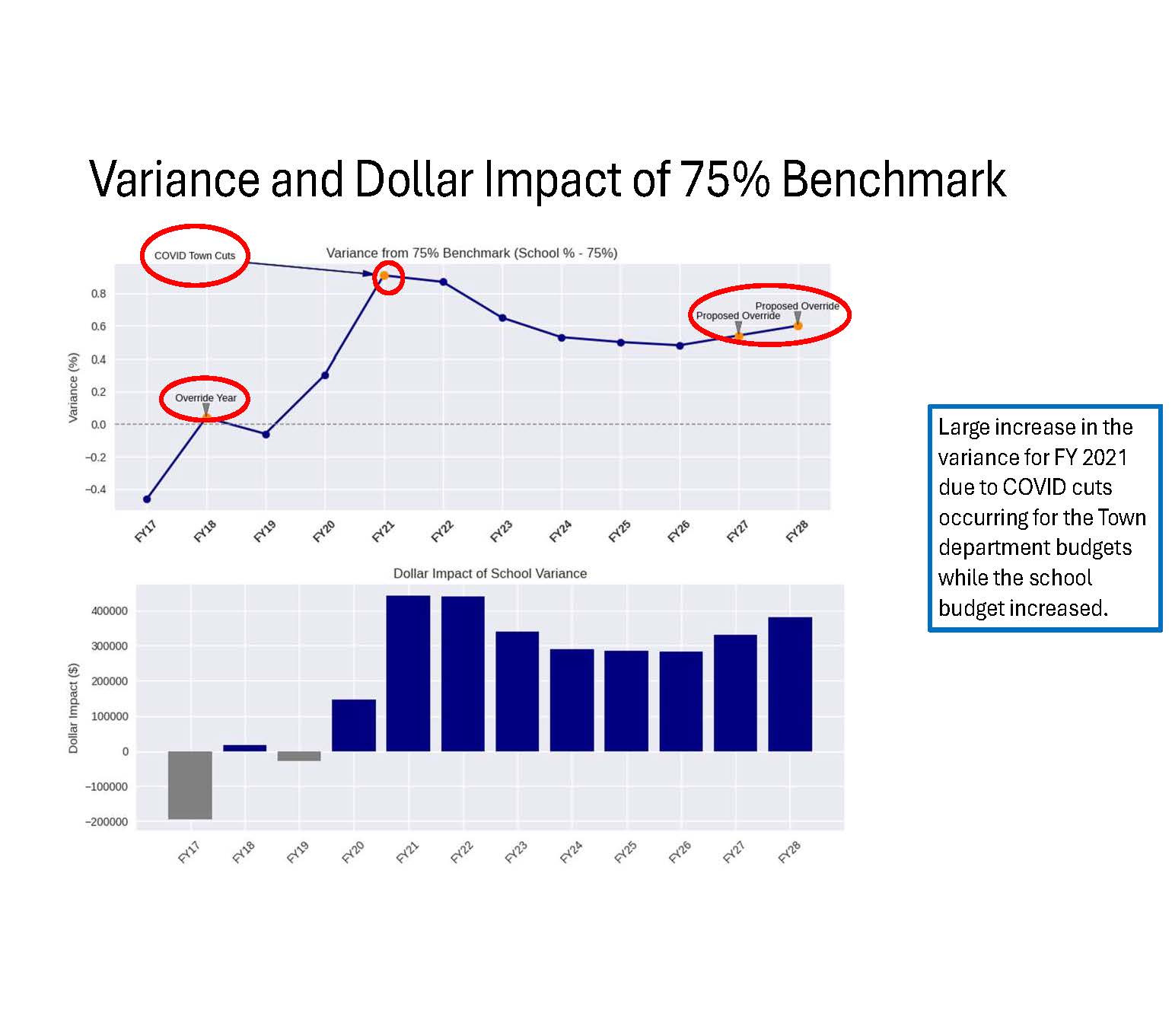
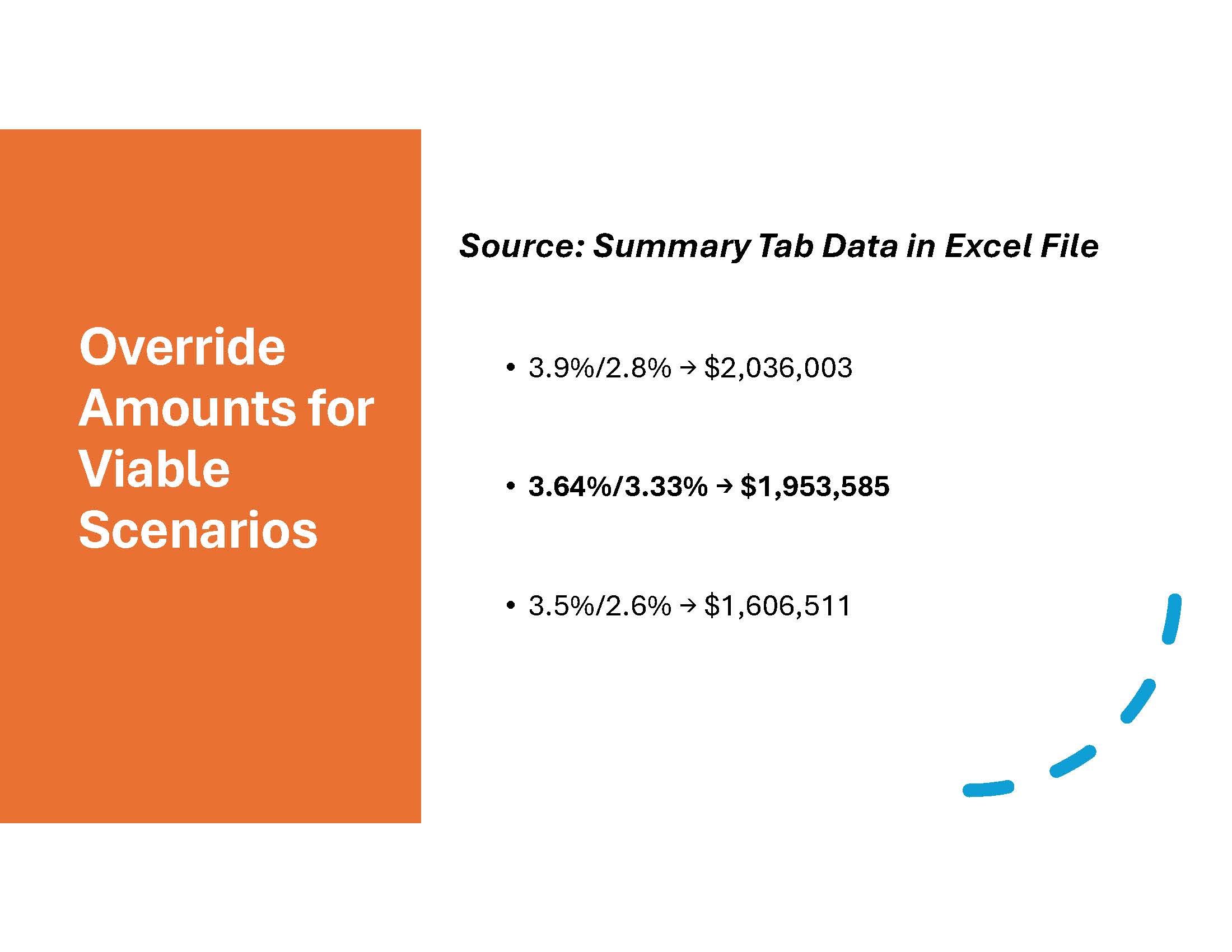
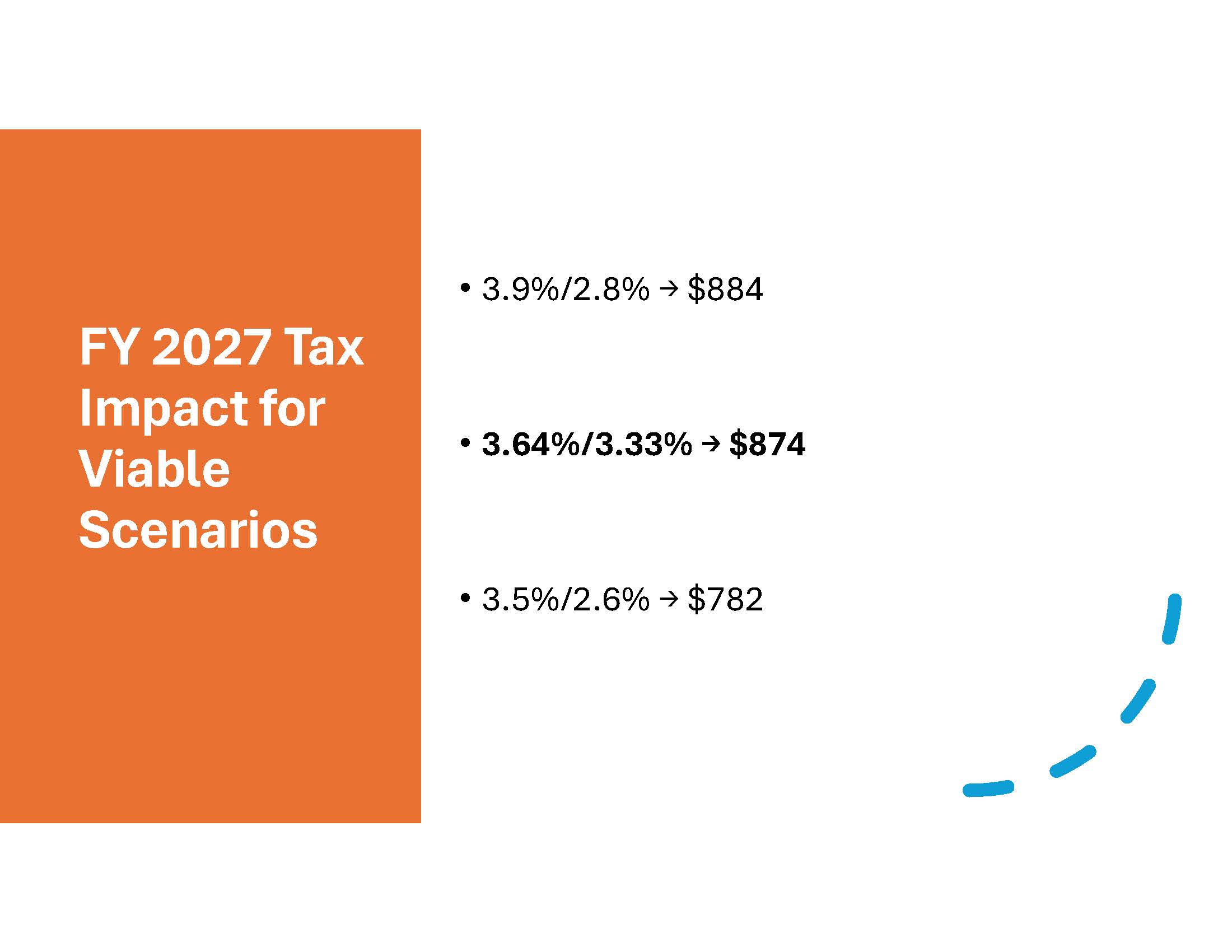
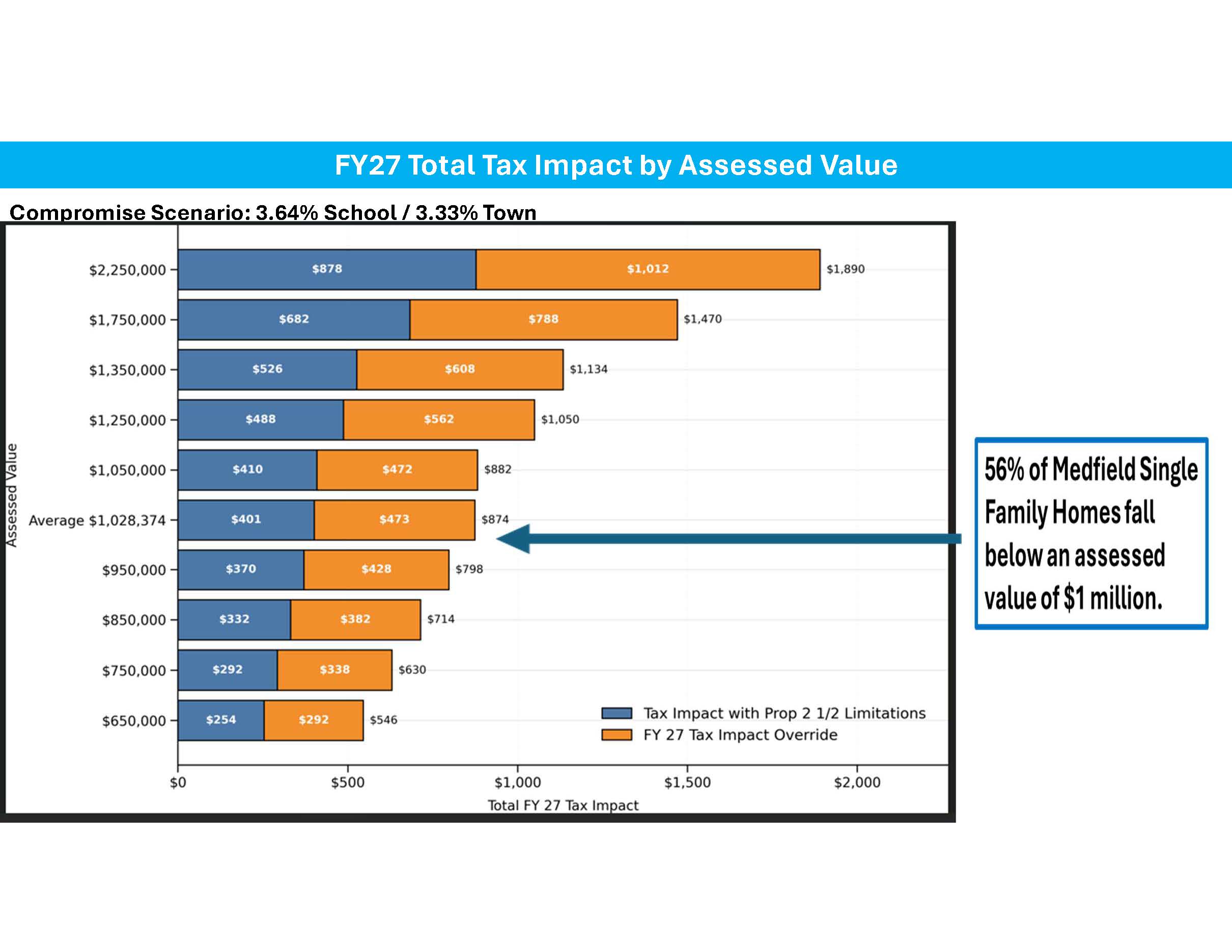
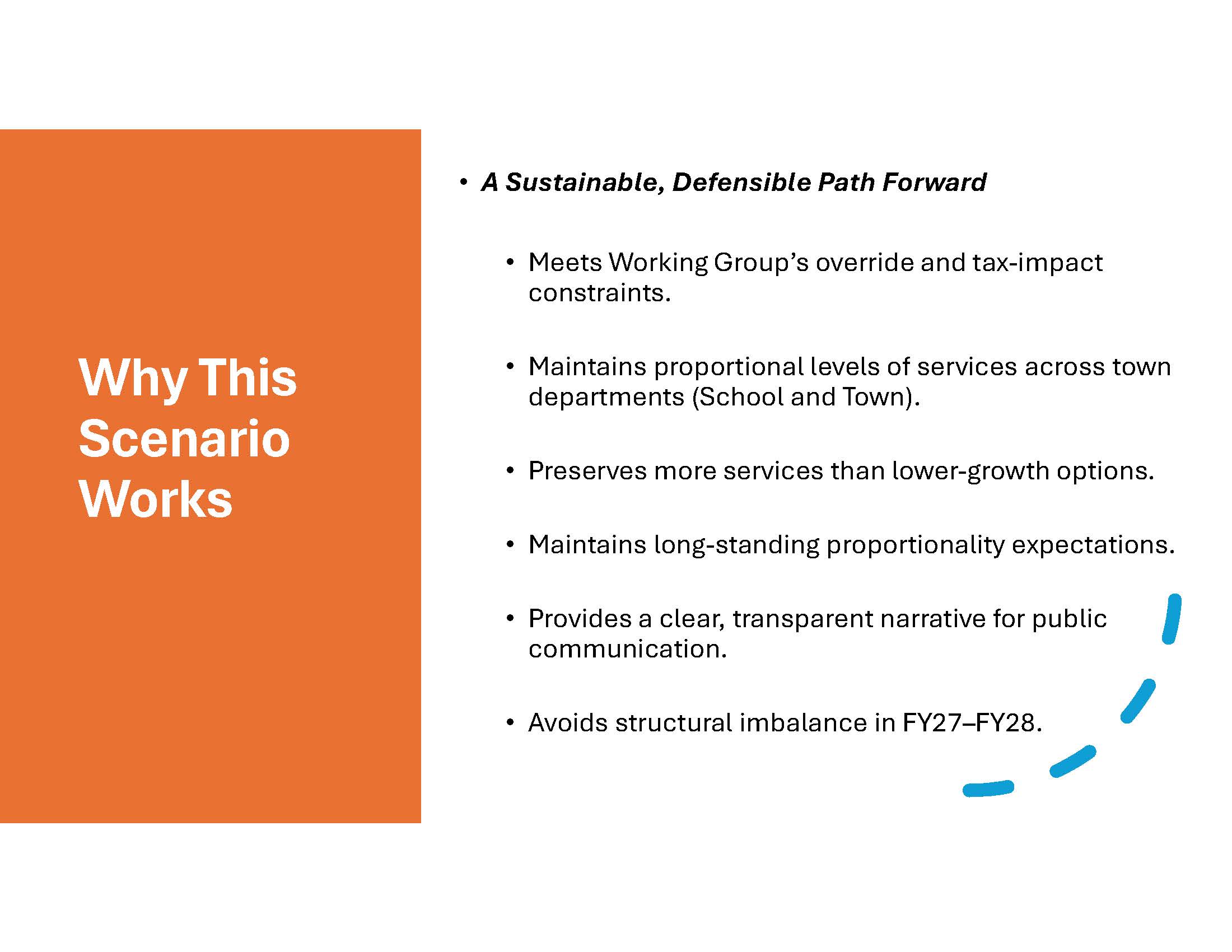
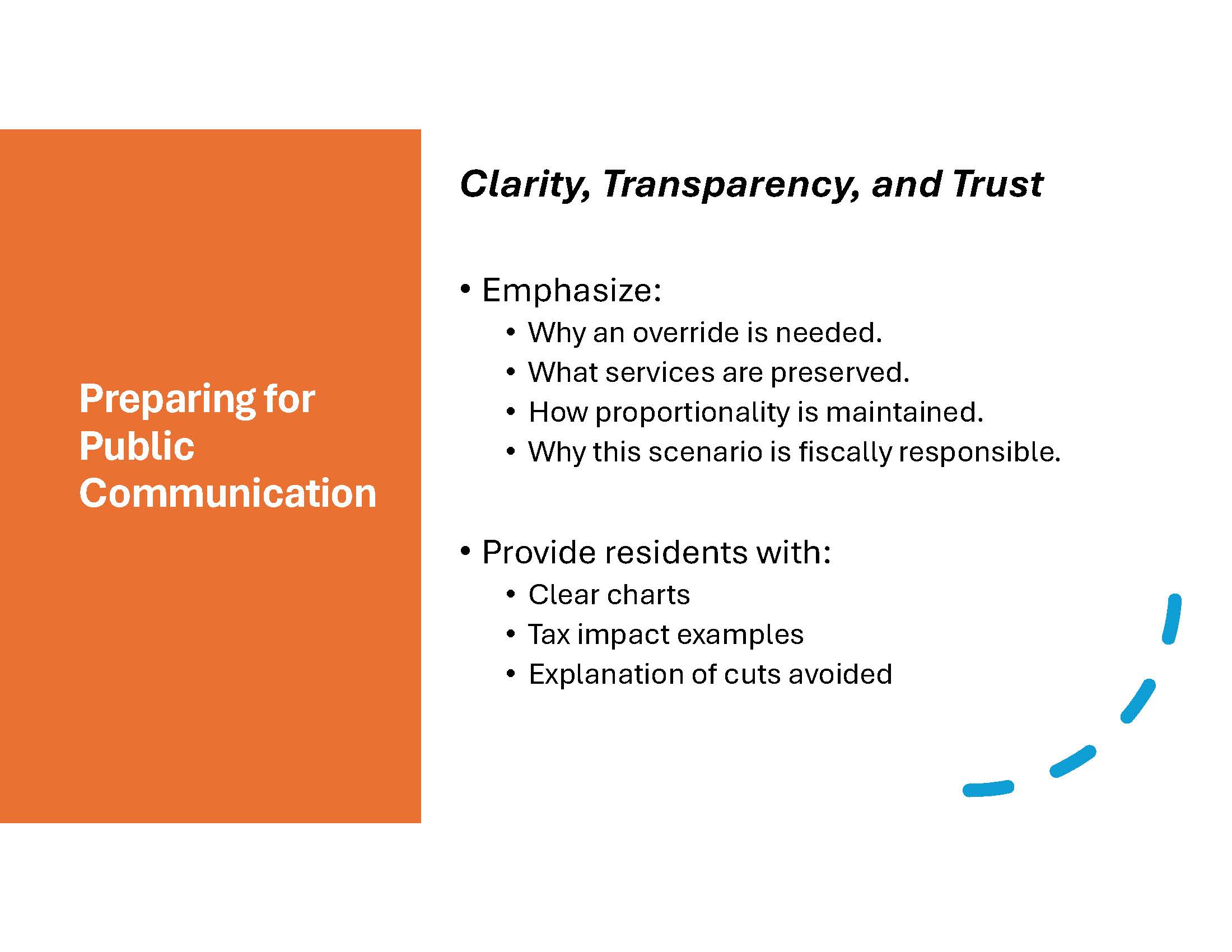
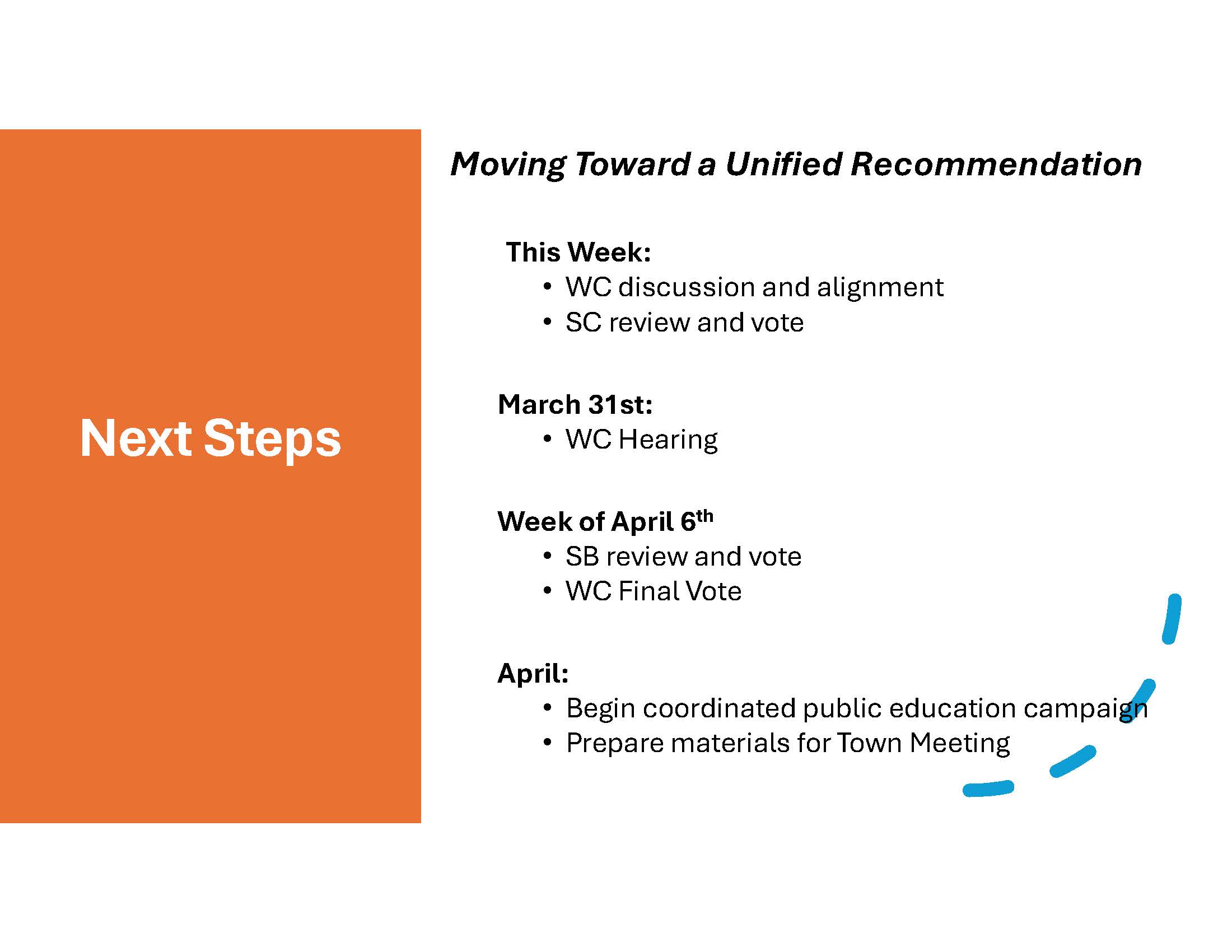
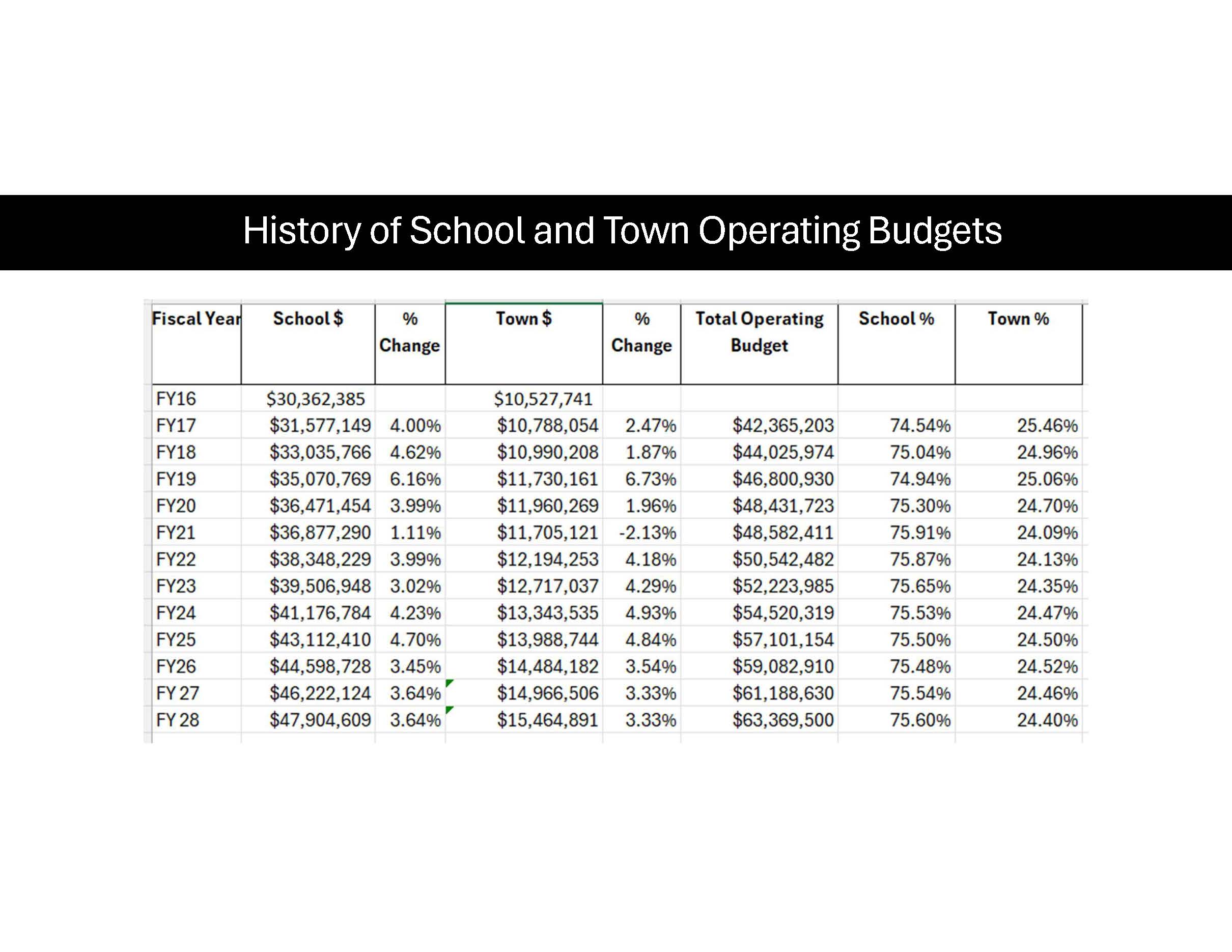
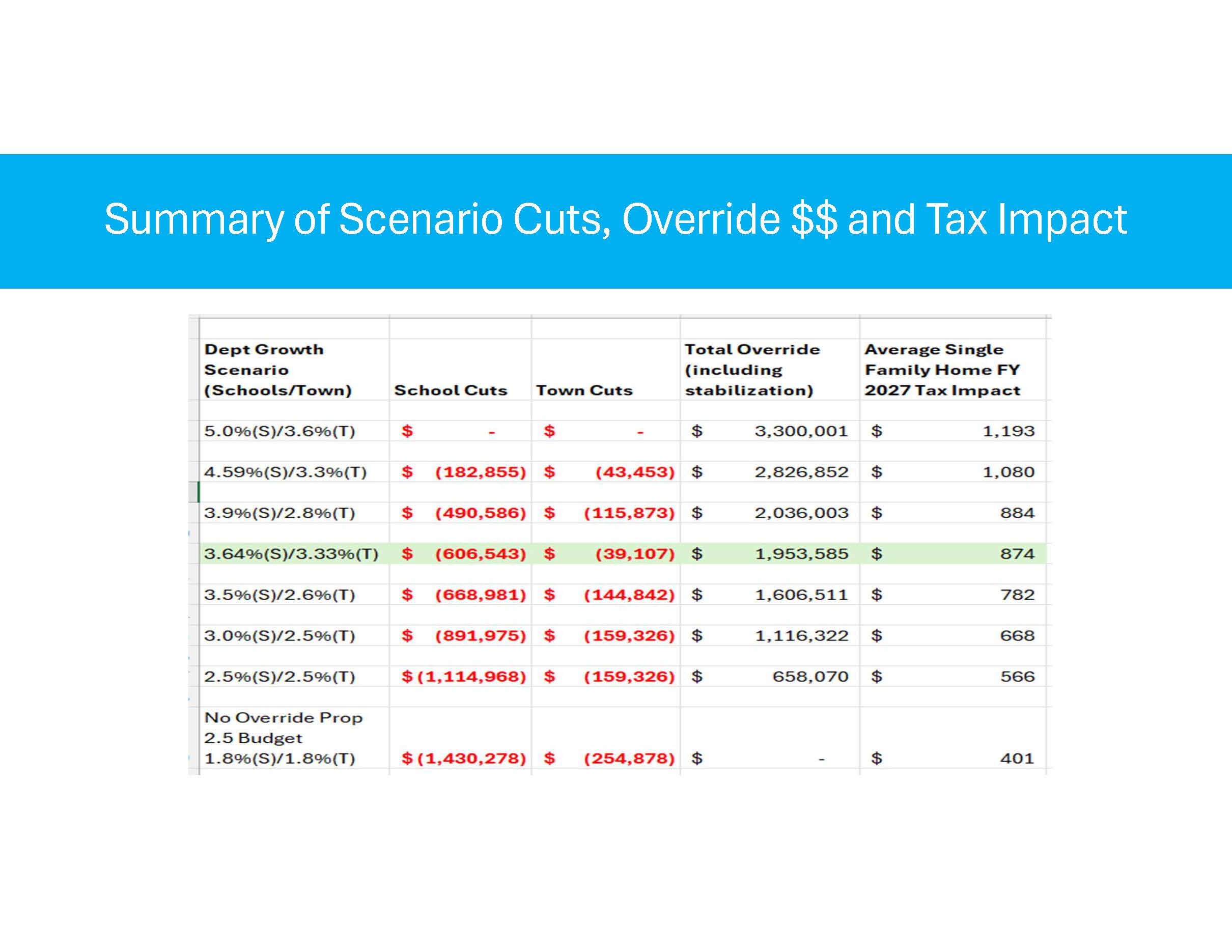
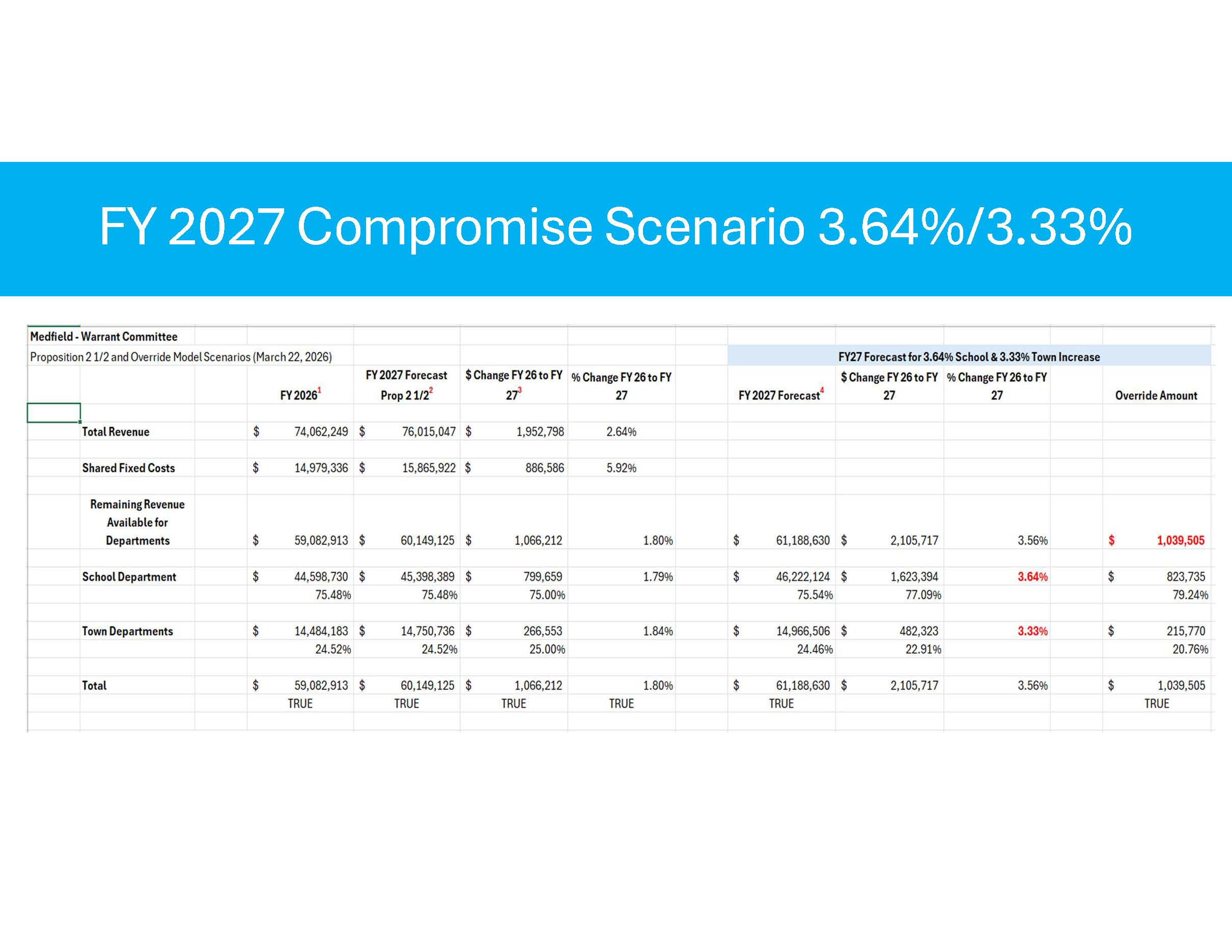
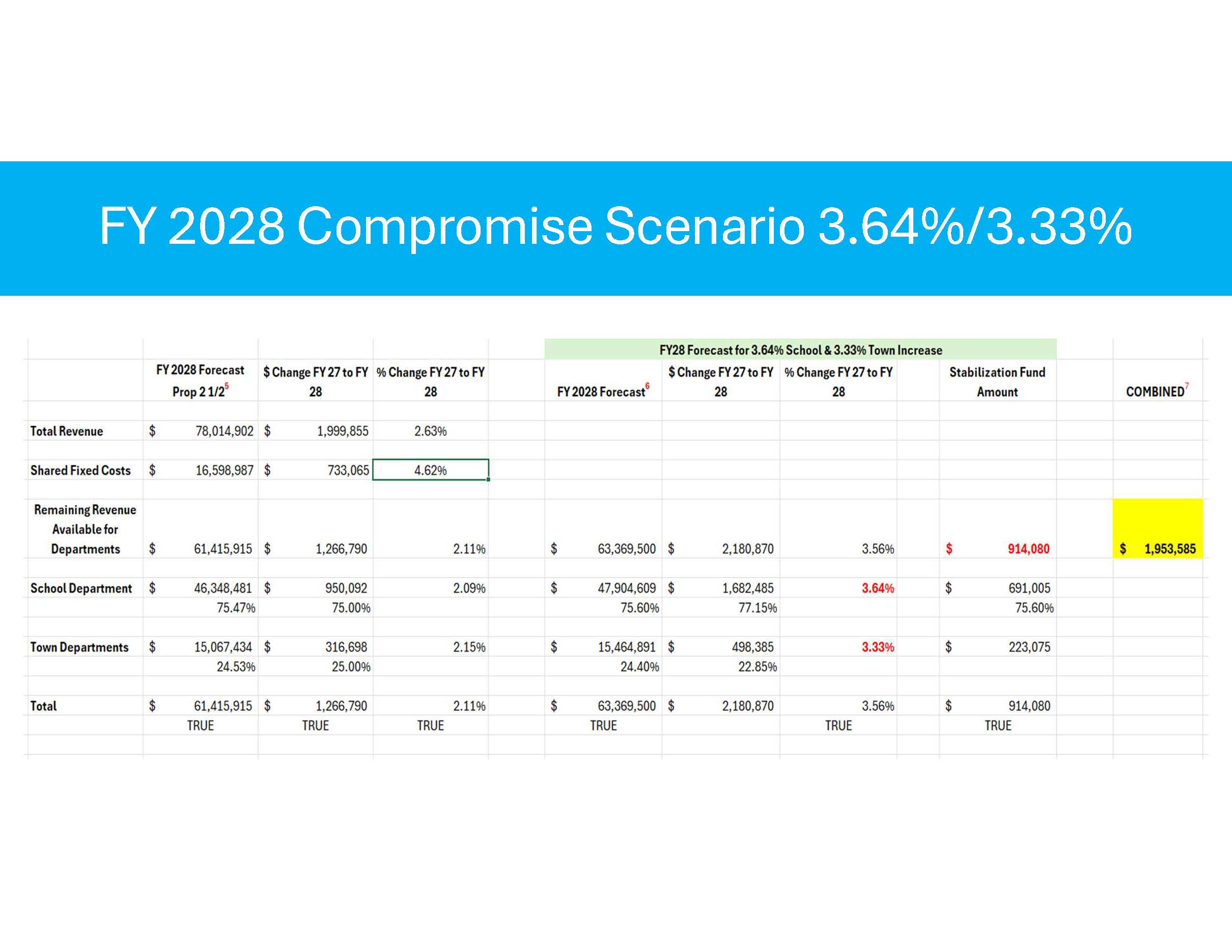
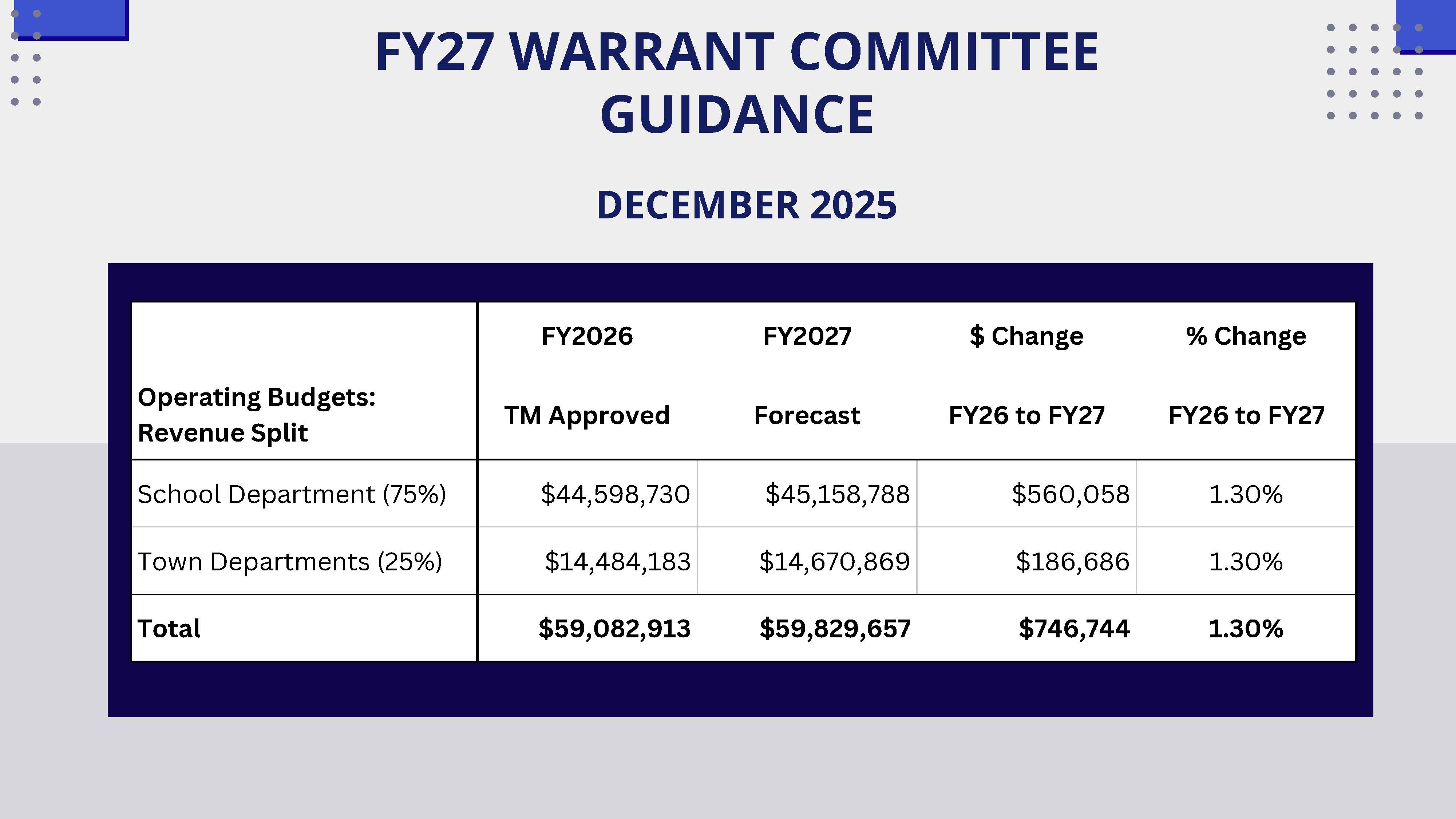
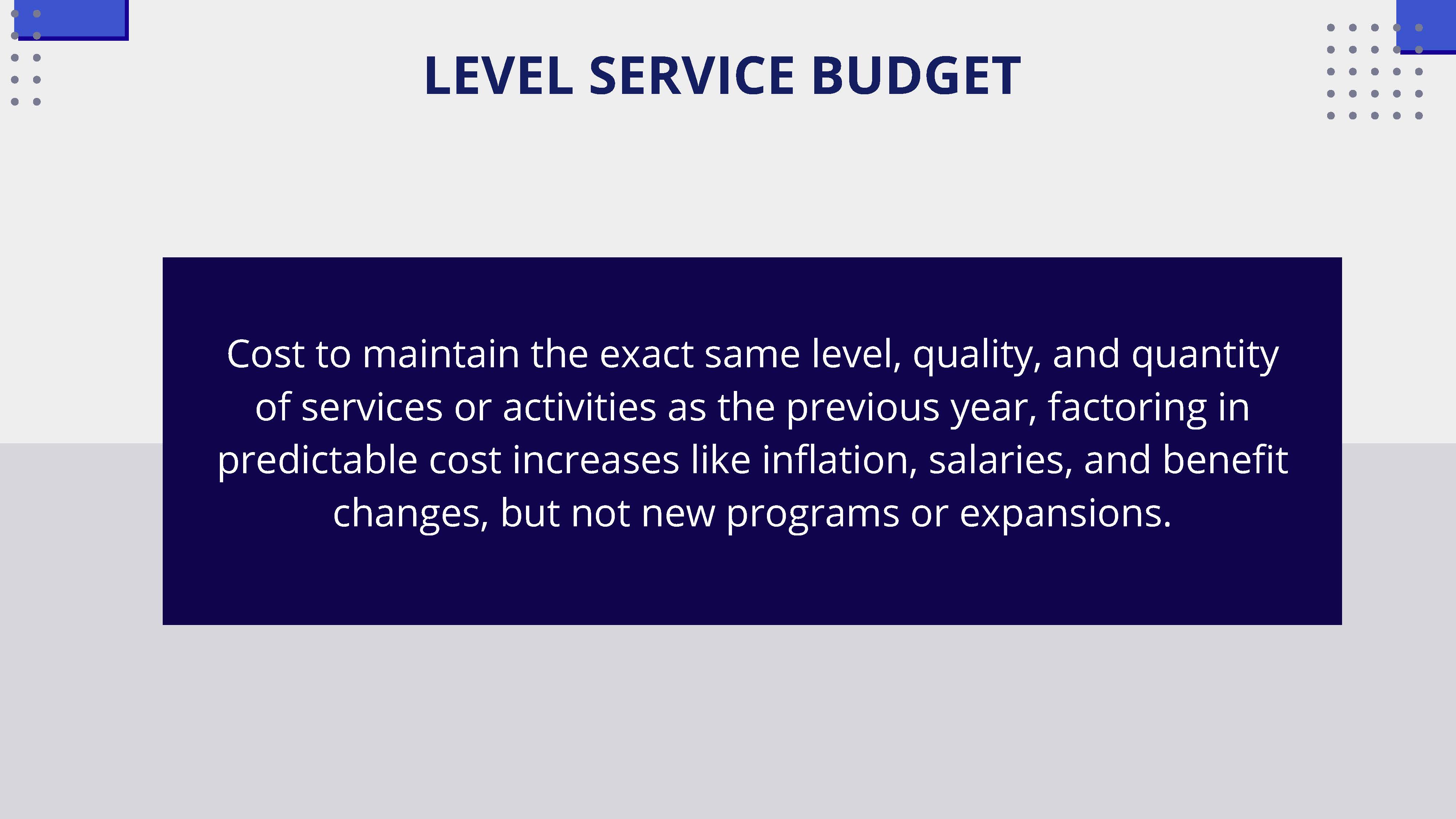
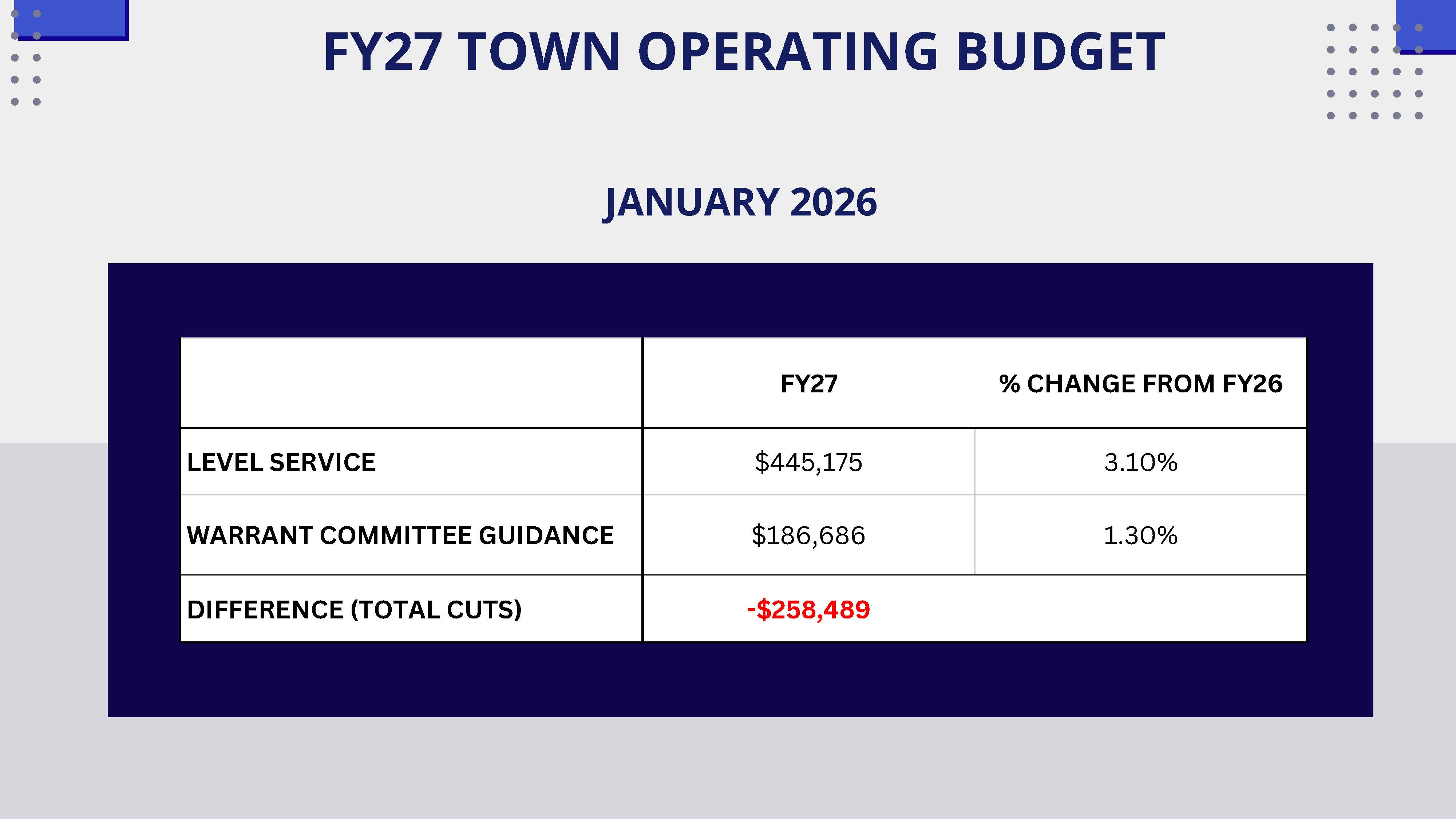
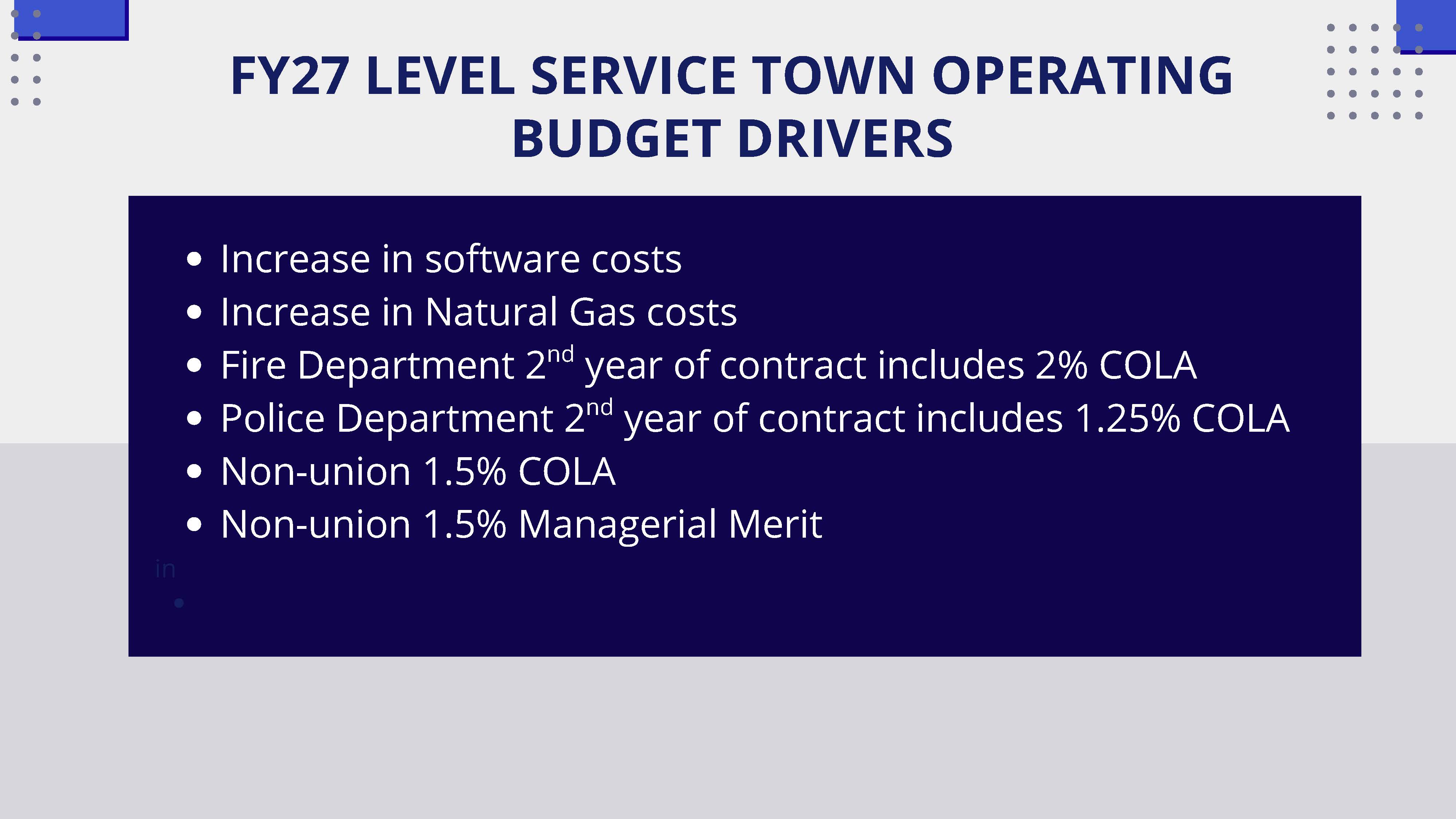
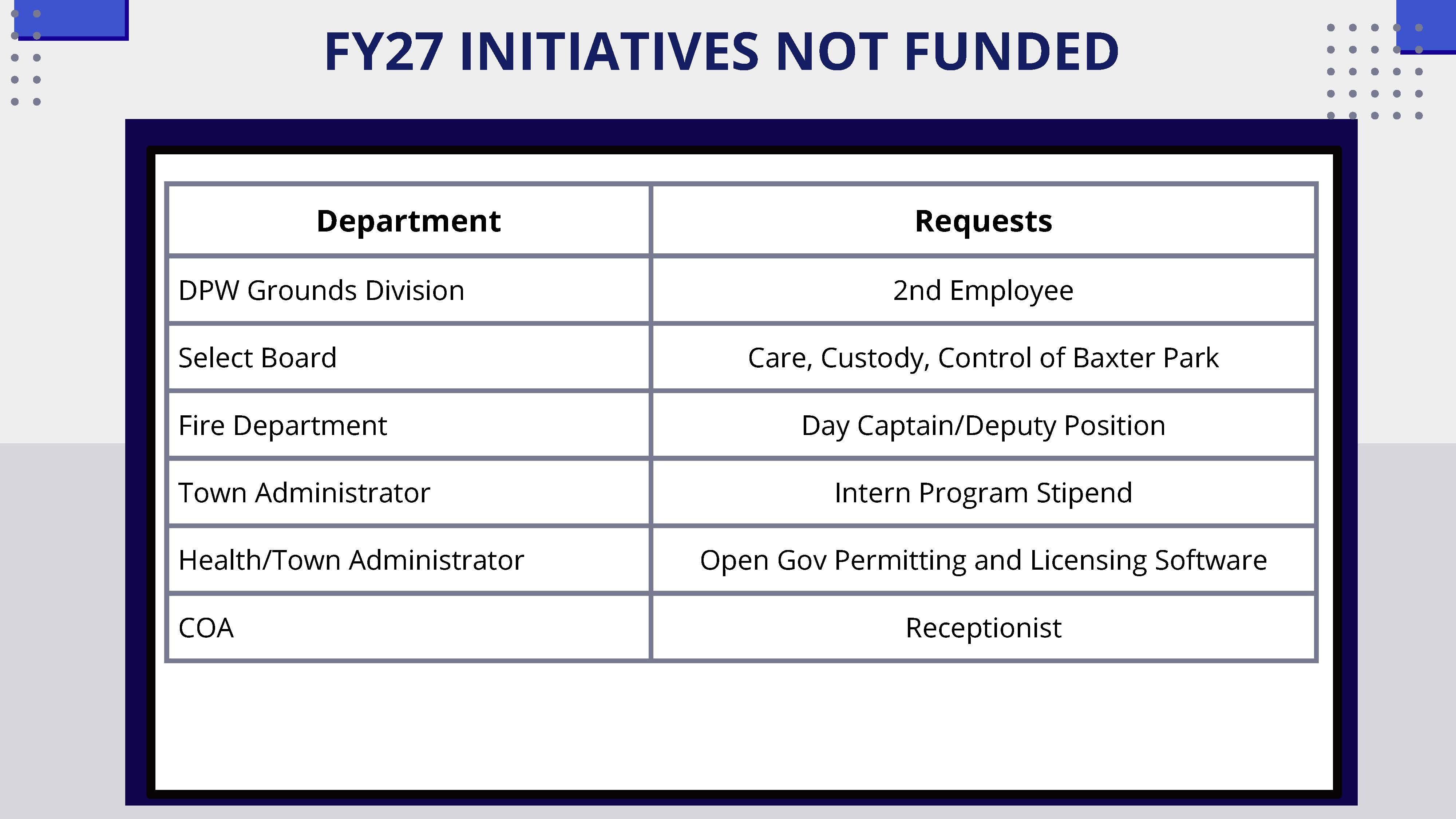
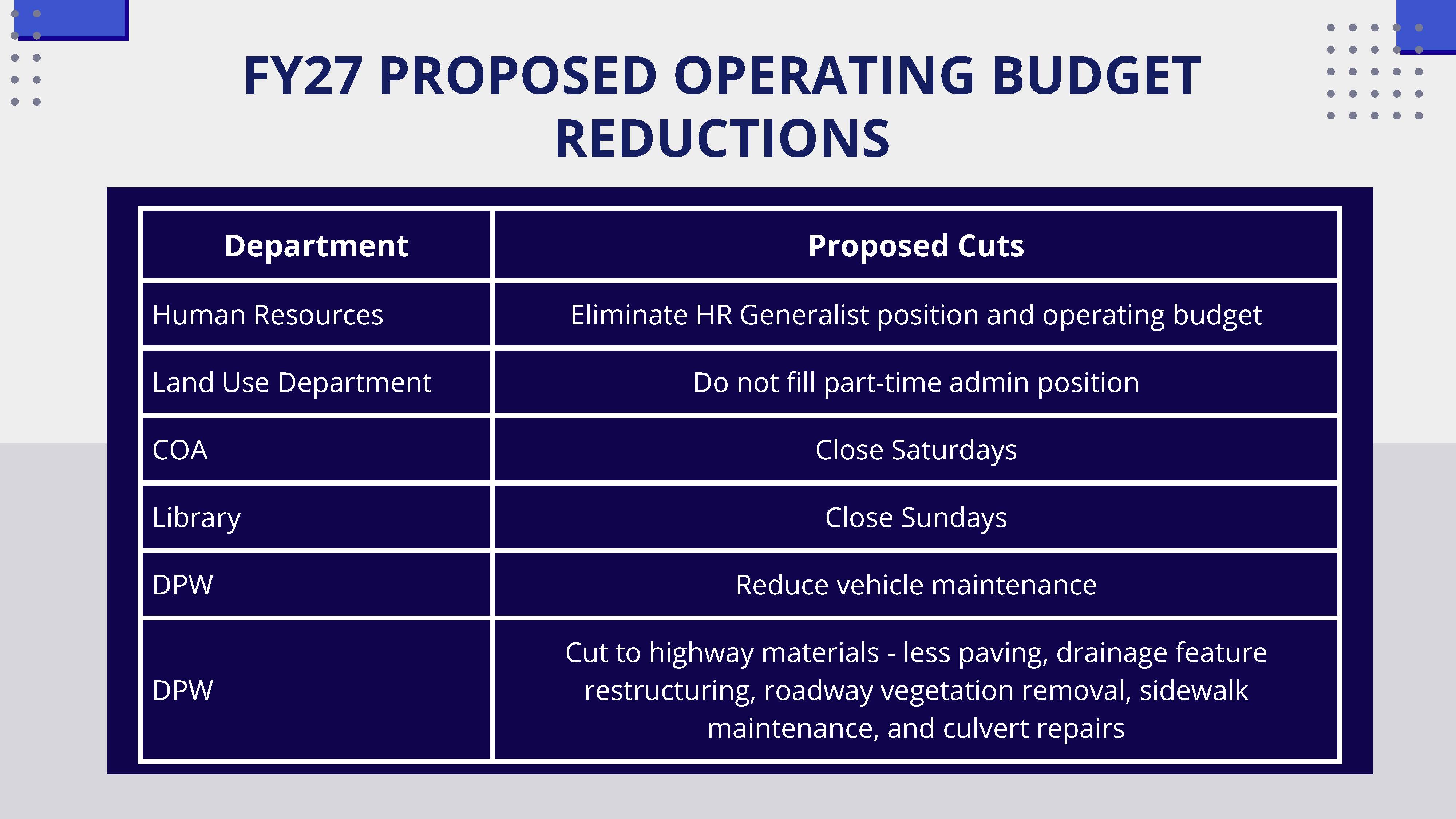
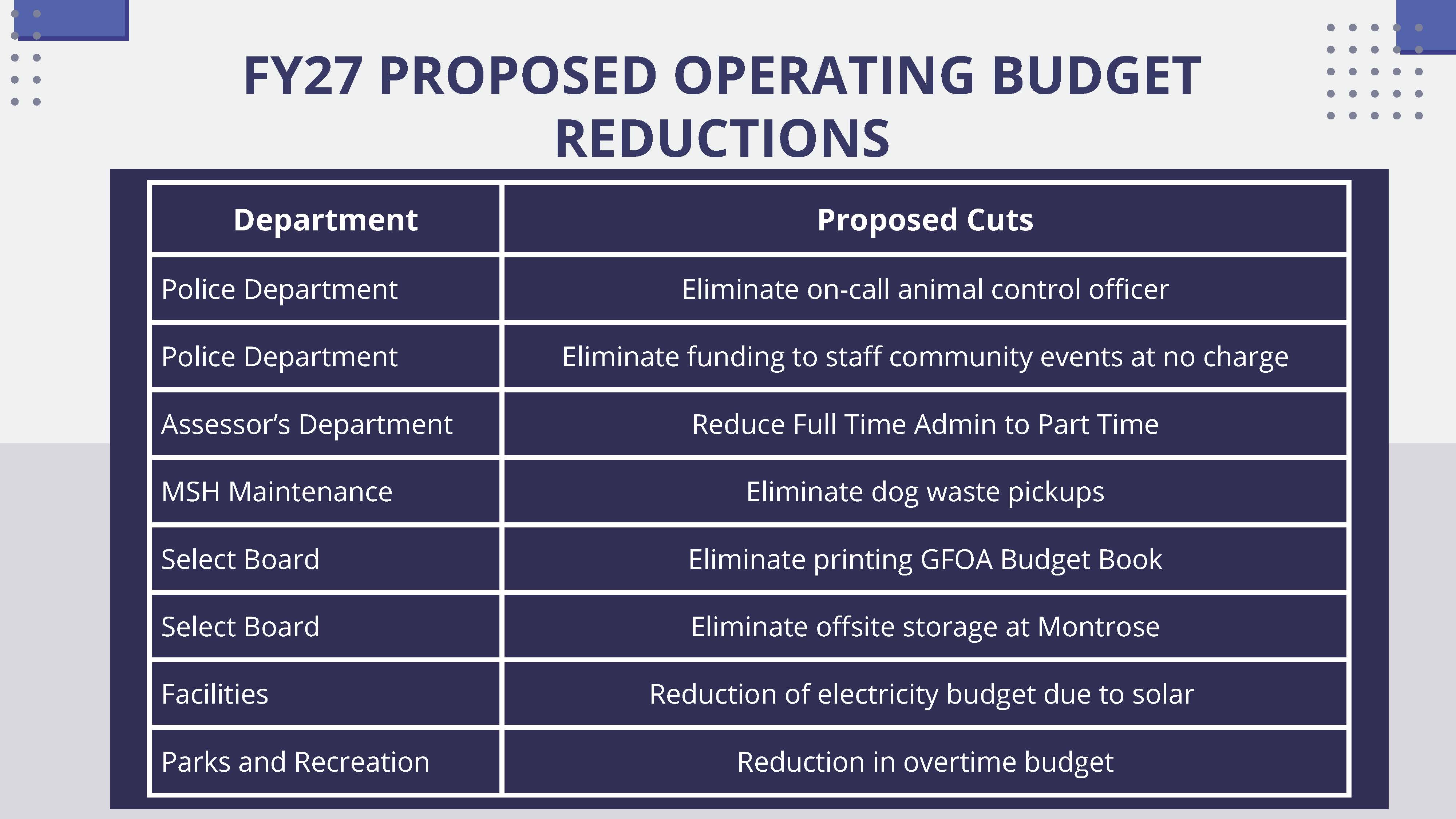
Stephen Callahan, Chair of the Warrant Committee, shared the following slides on how the Warrant Committee reached its decision of the override it is supporting. Steve and the Warrant Committee have been working diligently despite difficult parameters. –
Posted onFebruary 28, 2026|Comments Off on 3/15 DEADLINE for 2026 Medfield Foundation Legacy Fund Grants
MEDFIELD FOUNDATION LEGACY FUND NOW ACCEPTING
NON-PROFIT GRANT APPLICATIONS
The Medfield Foundation Legacy Fund has announced that applications are now being accepted for its 2026 Community Impact Grants. Up to $40,000 in grants will be awarded, and any Medfield-based nonprofit or Town department is eligible. Applicants are welcome to submit a grant request online at https://www.medfieldfoundation.org/ by March 15, 2026.
The Medfield Foundation Legacy Fund Community Board will review all submissions and select the finalists who will be invited to PITCH IT!, a Shark Tank-type event to be held in person on April 16, 2026. At PITCH IT!, applicants will present their proposal, goals, and financial needs and directly engage with the Community Board on their projects. The Community Board will make its final selection of grant recipients for the 2026 funding round in late April, 2026.
This year marks the sixth round of Legacy Fund Community Impact grants. To date, over $136,000 has been awarded to thirteen organizations, including the Cultural Alliance of Medfield, the Friends of the MHS Theatre Society, the Friends of the Medfield Rail Trail, Medfield Cares About Prevention, Medfield Outreach, The Peak House Heritage Center, Zullo Gallery and Sustainable Medfield.
Grantees have used their awards to further important projects in Medfield and, in some cases, to leverage significant additional resources such as matching grants or federal or state funding. This year’s applicants should be prepared to illustrate a strong and compelling current need for funds, and possibly present how those funds may generate additional investments in the Medfield community as well.
Act fast to take advantage of this spectacular opportunity!
ABOUT THE MEDFIELDFOUNDATION LEGACY FUND
The Medfield Foundation Legacy Fund is a professionally-managed endowment created to support community-driven projects. Volunteer-run and designed to complement the initiatives of Medfield organizations, the Medfield Foundation Legacy Fund raises private funds for public good. The Legacy Fund invests for the long term while also helping to address current community needs through annual competitive grantmaking for immediate positive impact.
Posted onFebruary 5, 2026|Comments Off on Medfield Foundation Legacy Fund – 2026 Grants
MEDFIELD FOUNDATION LEGACY FUND NOW ACCEPTING
NON-PROFIT GRANT APPLICATIONS
The Medfield Foundation Legacy Fund has announced that applications are now being accepted for its 2026 Community Impact Grants. Up to $40,000 in grants will be awarded, and any Medfield-based nonprofit or Town department is eligible. Applicants are welcome to submit a grant request online at https://www.medfieldfoundation.org/ by March 15, 2026.
The Medfield Foundation Legacy Fund Community Board will review all submissions and select the finalists who will be invited to PITCH IT!, a Shark Tank-type event to be held in person on April 16, 2026. At PITCH IT!, applicants will present their proposal, goals, and financial needs and directly engage with the Community Board on their projects. The Community Board will make its final selection of grant recipients for the 2026 funding round in late April, 2026.
This year marks the sixth round of Legacy Fund Community Impact grants. To date, over $136,000 has been awarded to thirteen organizations, including the Cultural Alliance of Medfield, the Friends of the MHS Theatre Society, the Friends of the Medfield Rail Trail, Medfield Cares About Prevention, Medfield Outreach, The Peak House Heritage Center, Zullo Gallery and Sustainable Medfield.
Grantees have used their awards to further important projects in Medfield and, in some cases, to leverage significant additional resources such as matching grants or federal or state funding. This year’s applicants should be prepared to illustrate a strong and compelling current need for funds, and possibly present how those funds may generate additional investments in the Medfield community as well.
Act fast to take advantage of this spectacular opportunity!
ABOUT THE MEDFIELDFOUNDATION LEGACY FUND
The Medfield Foundation Legacy Fund is a professionally-managed endowment created to support community-driven projects. Volunteer-run and designed to complement the initiatives of Medfield organizations, the Medfield Foundation Legacy Fund raises private funds for public good. The Legacy Fund invests for the long term while also helping to address current community needs through annual competitive grantmaking for immediate positive impact.
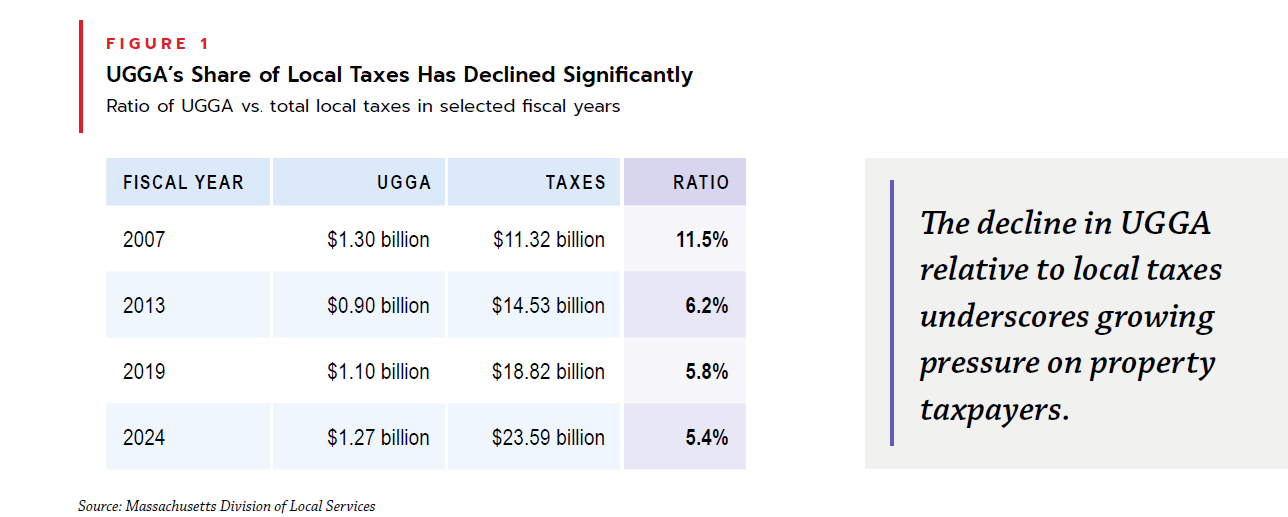
State aid – Unrestricted General Government Aid, or UGGA – to Medfield has declined for decades, and today is at less than half the level of our real estate property tax revenue that it was in 2007. The declining state aid has increasingly moved municipal services from being funded by the state income tax to the local property tax.
Thanks to Steve Callahan, Chair of the Warrant Committee for circulating the link to the Massachusetts Municipal Association piece that Assistant Town Administrator, Brittney Franklin shared with him.
Thanks too to the Massachusetts Municipal Association for focusing on this issue of inadequate and declining state funding.
Comments Off on MMA Suggests Solutions to Declining State Aid
The Warrant Committee’s joint budget workshop with the Select Board and School Committee last night was ended by this tree on the wires along Main Street that turned off the electricity to the Medfield High School library, putting the meeting into darkness – the MHS’s emergency generator failed to come on. The meeting proceeded in the dimness for a short time illuminated only by the light from the computer screens and cell phones, and apparently was still being broadcast on backup power.
The workshop discussion will be re-scheduled and the discussions will continue.
Issue = only an additional 1.2% budget monies are available for spending increases for FY27, so even level funding is not possible. Plus large capital expenses required:
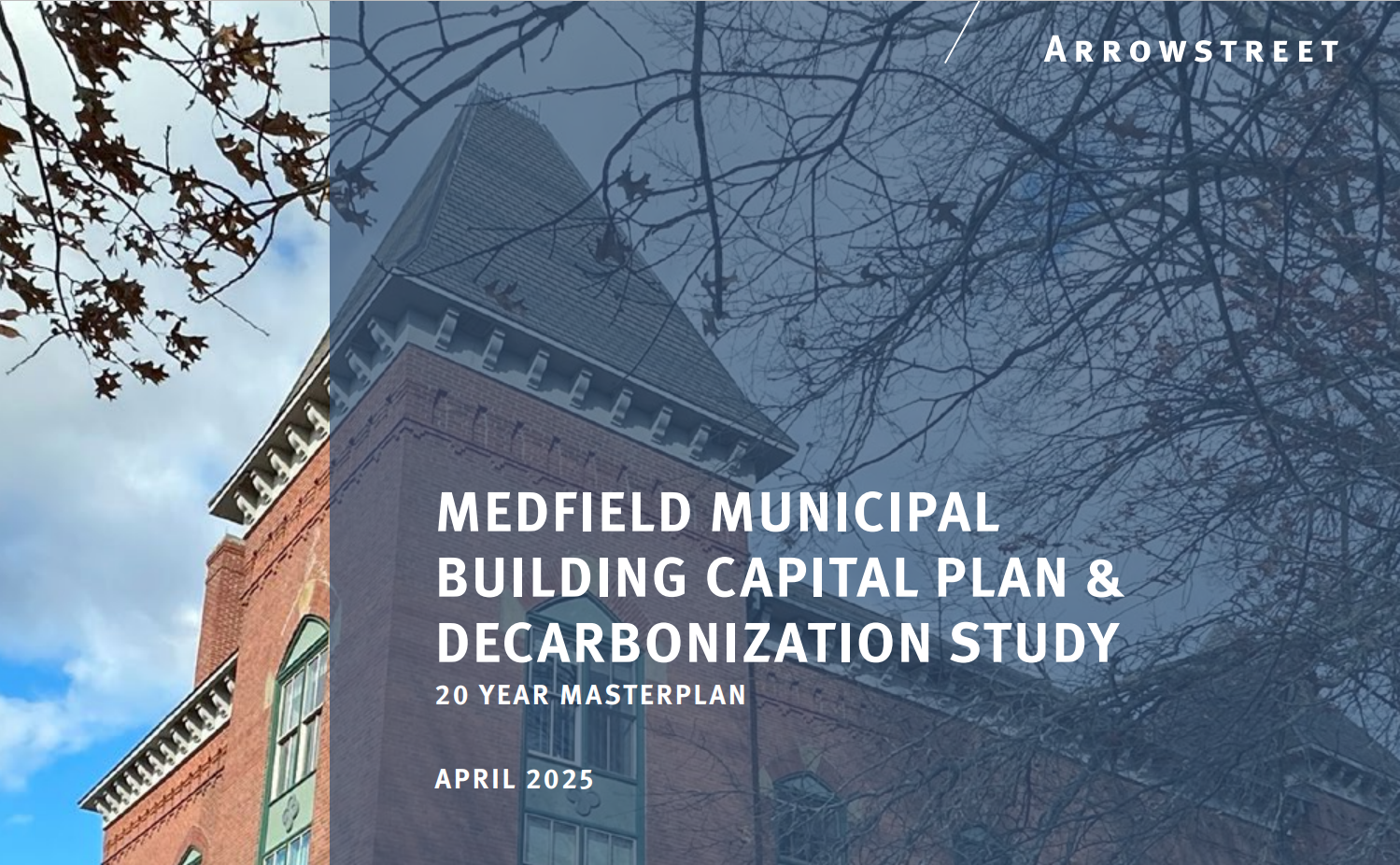
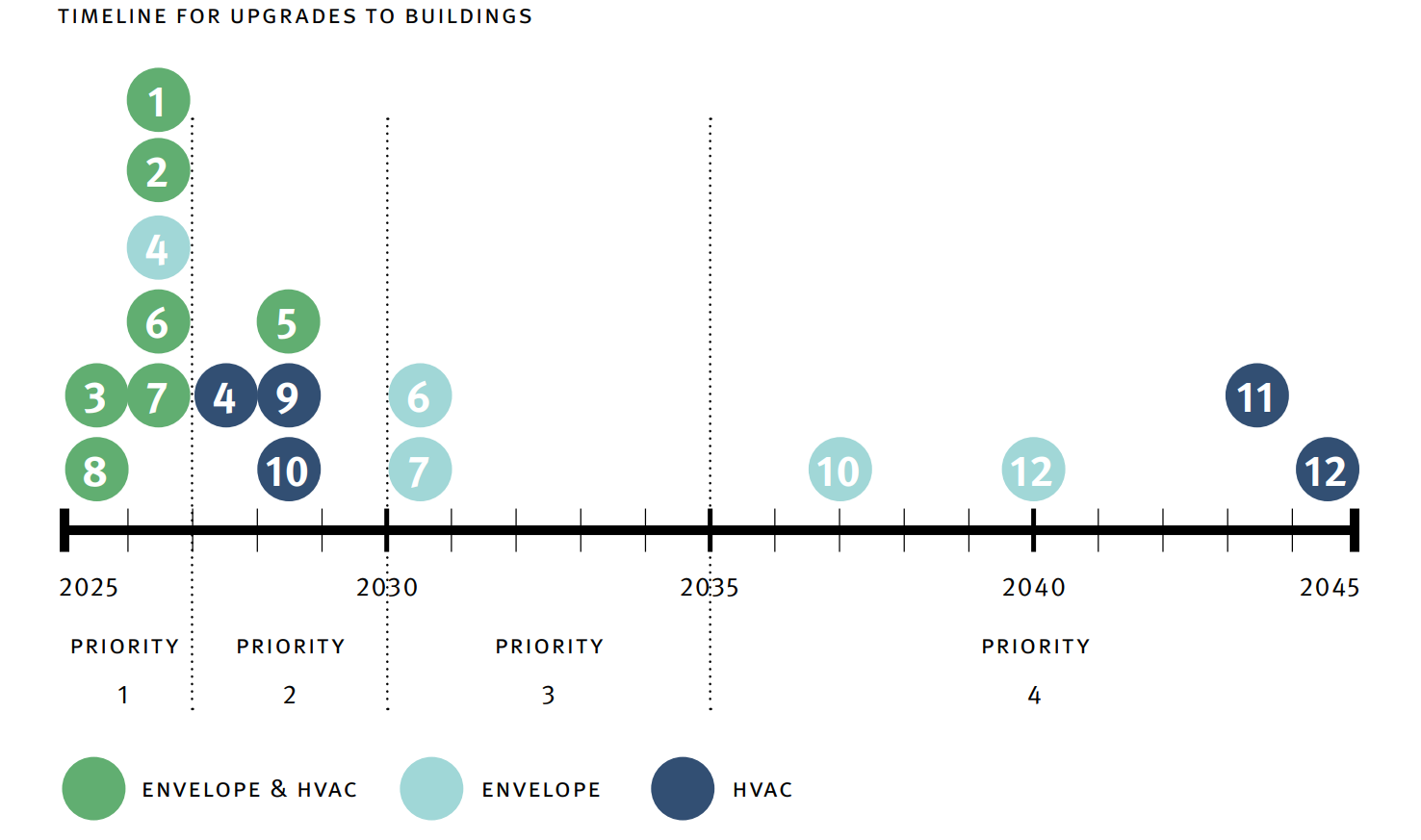
$120 m. required to repair town buildings over the next 20 years.
$100 m. required in next 5 years for priority building repairs – roofs and building envelopes.
Posted onOctober 8, 2025|Comments Off on Massachusetts losing $3.7 billion to Trump policies, per state dashboard
From the Globe –
New dashboard shows exactly how much federal funding Mass. is losing out on under Trump
Many Massachusetts residents are at risk of losing their Medicaid coverage, SNAP benefits, and more under the cuts.
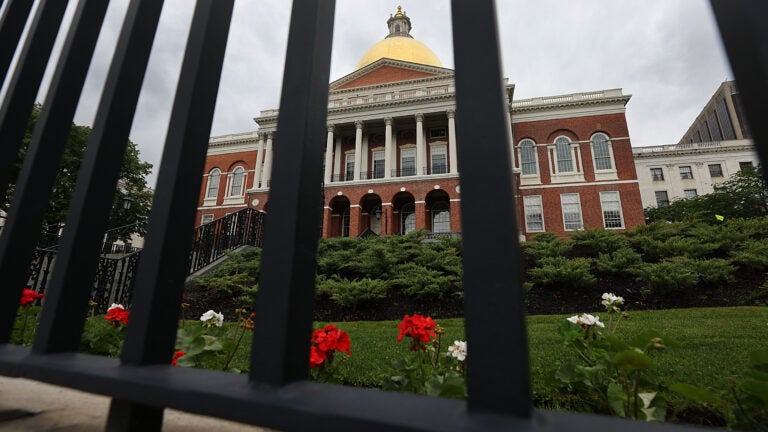
Massachusetts is losing about $3.7 billion in federal funds due to actions by the Trump administration and the Republican-controlled Congress. Suzanne Kreiter/Boston Globe
Massachusetts officials launched a new online dashboard this week designed to clearly show how federal funding cuts are negatively impacting Massachusetts under the Trump administration. All told, the state has lost about $3.7 billion due to President Trump and a Congress beholden to him, according to the dashboard.
I started this blog to share the interesting and useful information that I saw while doing my job as a Medfield select board member. I thought that my fellow Medfield residents would also find that information interesting and useful as well. This blog is my effort to assist in creating a system to push the information out from the Town House to residents. Let me know if you have any thoughts on how it can be done better.
For information on my other job as an attorney (personal injury, civil litigation, estate planning and administration, and real estate), please feel free to contact me at 617-969-1500 or Osler.Peterson@OslerPeterson.com.





 Medfield02052's Blog