Category Archives: Uncategorized

Information from MCAP

MCAP Logo_1C_300

Being part of Medfield Cares About Prevention (MCAP) allows me to see many really useful announcements, and I thought I would share a few of the recent ones:


First, Dr. David Worthley is speaking at the PTO meeting tonight on Adolescent Depression.  Info below:

 PTO meeting on Wednesday, September 13th, 7pm for “PTO Presents…”

Meet Dr. David Worthley who will be discussing teen depression and addressing parents’ concerns regarding adolescent mental health. Attend the launch of PTOs new conversation series addressing topics of interest and concern to high school parents. There will be a new forum each month open to you and your questions.  RSVP  here and submit questions or future topic suggestions. Program is Wednesday, September 13th at 7pm in the MHS Library. And, feel free to stay for the PTO business meeting immediately following at 8pm. All are welcome. 

David Worthley, Ed.D. is the Coordinator of Social/Emotional Learning at Medfield High School. He is passionate about his work with the adolescent population, and understands well the importance and value of a solid educational foundation.


Second on the issue of screen time for kids –


Third, a 9/26 webinar on teen depression  –

FREE WEBINAR


Teen Depression – What Schools and Parents Can Do When Help is Refused


Tuesday, September 26, 2017 

PM (ET) / 4 PM (PT)


 REGISTER NOW


Jami doesn’t want you to feel alone.


Jami’s daughter was unhappy, struggling with anxiety and school, and refusing to get help. Jami worked tirelessly to educate herself on her daughter’s needs.


Along the way, Jami had to work with her daughter’s schools to ensure that she had the appropriate services in place. Now, Jami shares her experiences to help other parents and caring adults know that they are not alone.


Join our Free Teen Depression Webinar to hear Jami’s story.


During this webinar, you’ll hear from Jami Ingledue and Dr. Nancy Rappaport an experienced clinician, professor, and researcher in teen depression. You’ll learn, and be able to ask questions, about

  • ways parents can work with schools to help teens who refuse treatment
  • how to talk to teens about depression
  • actionable steps you can take to help a struggling teen


 REGISTER NOW


View the webinar live to have the opportunity to ask questions of our panelists. If you can’t make it, include your questions when you register, then watch the recorded webinar on demand.


This webinar is designed for anyone interested in teen mental health. Although clinicians are welcome to register,

the program is intended for a general audience.


If you know someone who would benefit from this program, please spread the word!


Our Teen Depression Program is supported by


George Harrington Trust 

Middlesex Savings Charitable Foundation

Bold Minds Foundation

Rebecca Pomroy Foundation 

Thomas Anthony Pappas Charitable Foundation 

Adelaide Breed Bayrd Foundation 

Bennett Family Foundation

TJX Foundation

John Donnelly Trust

IAM Strong Foundation

Hart Foundation

Samerian Foundation


About Us


Families for Depression Awareness, www.familyaware.org, is a national nonprofit organization empowering families to recognize, address, and cope with depression and bipolar disorder to get people well and prevent suicides.


You are receiving this email from Families for Depression Awareness. To ensure that you continue to receive emails from us, add info@familyaware.org to your address book. To unsubscribe, click on “SafeUnsubscribe” below.


Families for Depression Awareness


781-890-0220 | info@familyaware.org | www.familyaware.org


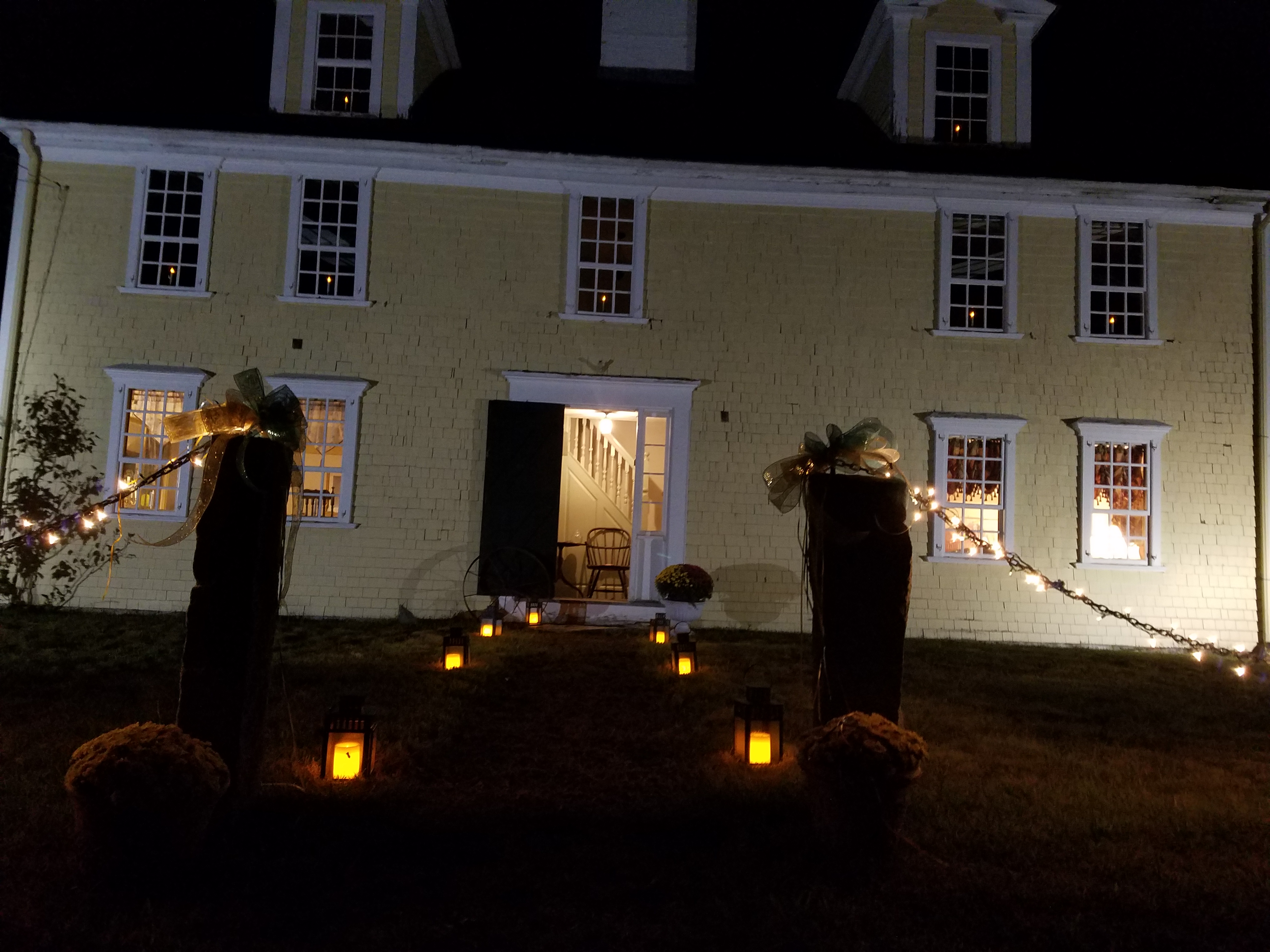
Dwight – Derby House looking grand

The Dwight – Derby House looking festive and grand at the end of the 20th anniversary evening gala. The town is fortunate to have such a treasure, and lucky to have such dedicated caretakers of that treasure taking such loving care of it One of the oldest structures in the country, and it is owned by Medfield. Be sure to visit it on Medfield Day.

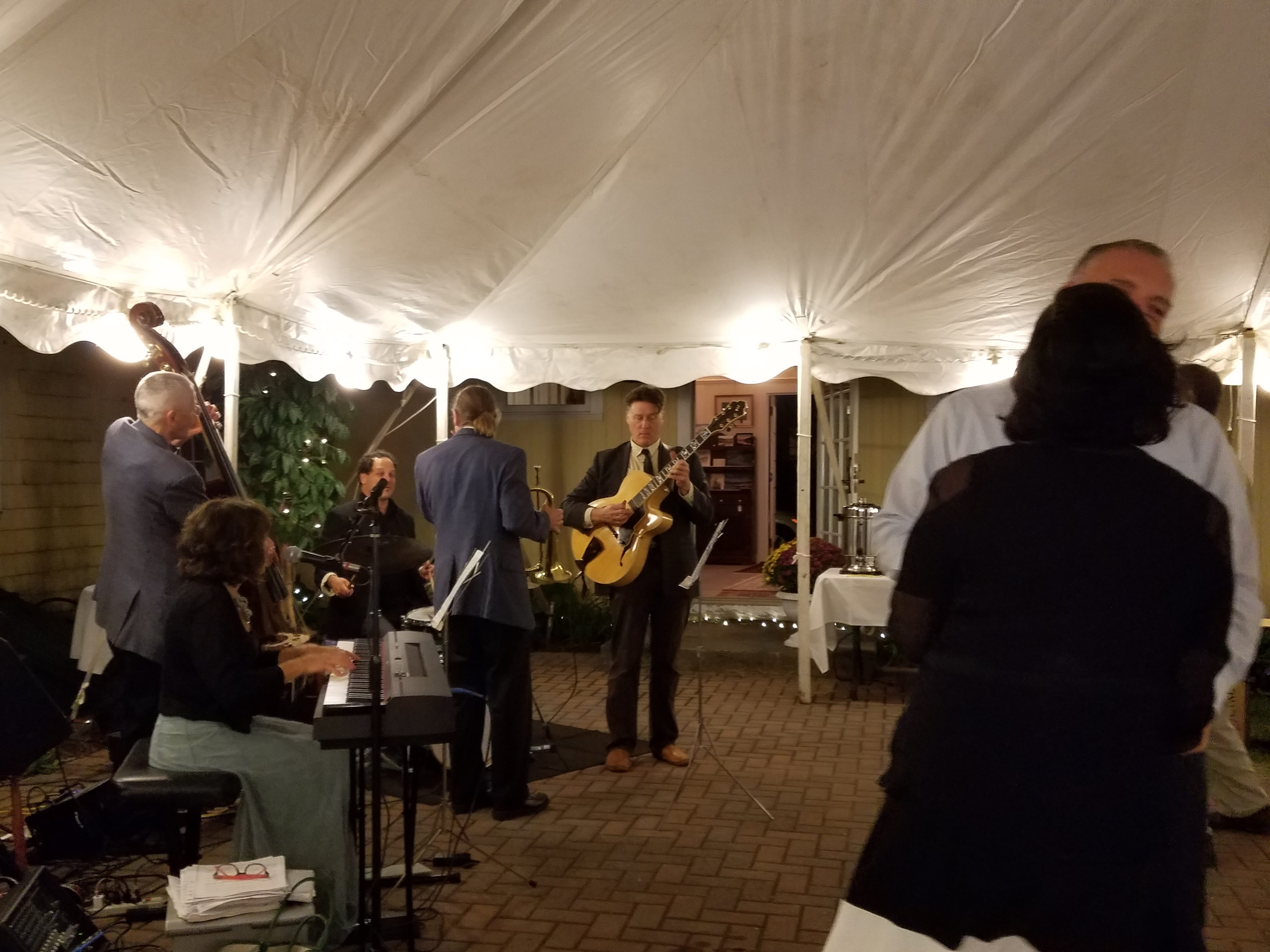
Dwight Derby House Gala

Tonight the Friends of the Dwight-Derby House celebrated the town owning the 350 year old house for the last 20 years with a gala evening of exquisite food from Basile’s and incredible music from Tom Duprey’s and Jeri Bergonzi’s groups (pictured).

Equifax

To see if your data was breached by Equifax visit https://trustedidpremier.com/eligibility/eligibility.html and input your information.

Office hours this morning

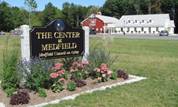
My monthly first Friday of the month selectmen office hours are being held this morning at The Center from 9-10 AM.

Selectman office hours this morning 9-10

Selectman Office Hours This Morning, 9-10AM

Selectman Osler "Pete" Peterson holds regular monthly office hours at The Center on the first Friday of every month from 9:00 to 10:00 AM (his litigation schedule permitting). Residents are welcome to stop by to talk in person about any town matters. Residents can also have coffee and see the Council on Aging in action (a vibrant organization with lots going on). Peterson can be reached via 508-359-9190 or his blog about Medfield matters https://medfield02052.wordpress.com/, where any schedule changes will be posted.

Junior-B meeting

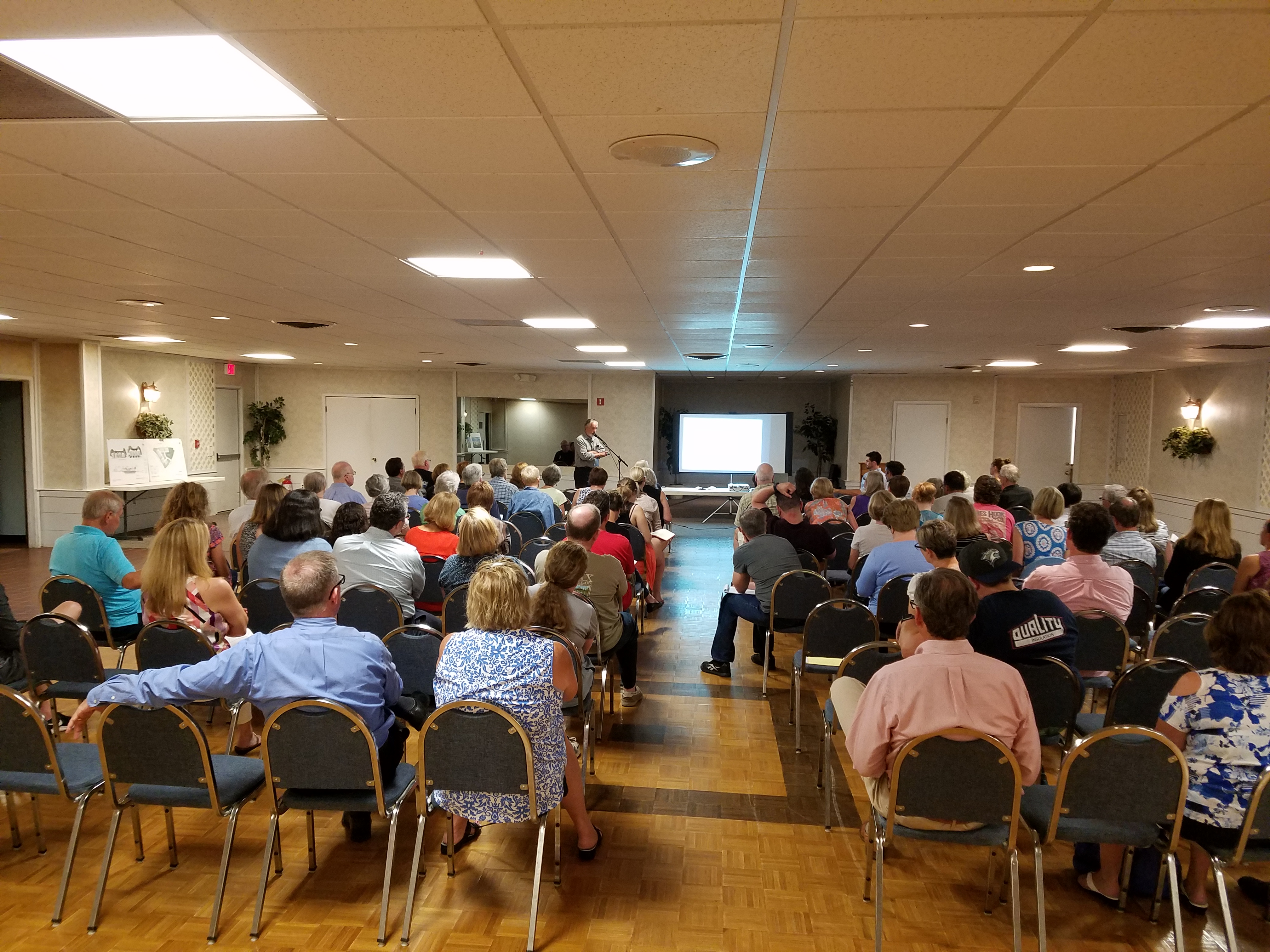
John Kelly, his architect and 40B consultant held a meeting for neighbors last night at the Legion, attended by about 100. The current iteration of the proposed development is in fact two separate 40B’s, a 25 unit townhouse ownership one on the cemetery side of Rte. 27, and a 75 unit rental 40B on the DPW side, with 25 units in townhouses and 50 units in what they are calling a midrise, but what Mr. Kelly slipped once to call a highrise – a 5 story, I think, apartment building. To qualify as a 40B, so as to gain the greater density than zoning allows, the ownership 40B will have 5 affordable units.

I think the plans are available at the town website.

Suburban Coalition calls it quits

This email today from the now defunct Suburban Coalition.  Too bad, as I found their meetings really interesting and informative (to say nothing of convenient, as they were often held at the Newton Marriott).  The Town of Medfield was a member for a number of years.  Former Senator Timilty always used to say the real divide at the legislature was city reps versus towns reps, not so much Republican versus Democrat.

===========================================

At our last business meeting, on July 10, 2017, a vote was taken to dissolve the Suburban Coalition. This action took place after several years of efforts to sustain our work with a very small number of active volunteers. While we believe our mission is as important and relevant as ever, we simply no longer have the capacity to carry out the mission in a meaningful way.


The Suburban Coalition was founded in the 1980’s in response to Proposition 2 ½. The mission of the organization has been to ensure that smaller municipalities have a voice on Beacon Hill. We strove to ensure that every community had the funding, resources and support from the state to deliver the essential services of life safety, education and infrastructure maintenance to its citizens. We believe that thriving communities contribute to a strong commonwealth. During the past several decades, our efforts have made a difference. The Suburban Coalition was the first organization to advocate for the Senior Circuit Breaker, bringing property tax relief to seniors. More recently, we advocated for changes to Municipal Health Insurance and have been active in efforts to both establish the Foundation Budget Review Commission and to ensure that the recommendations of the FBRC are implemented.


Thanks go to many people and organizations for efforts and support over the years. Most of all, thank you to all who attended our meetings and took our message back to your boards and communities, and to your legislators. Without your input and participation, we would not have been as successful as we were. Please continue to advocate for your communities, your citizens and your students.


Thank you to the boards and committees who joined the Suburban Coalition. You made us stronger by adding your names to the list of those supporting our positions and efforts.

Thank you to the many legislators who welcomed us into your offices or came to our meetings and listened to our views. Listening to our views and sharing yours helped all of us move forward productively.


Thank you to the organizations who partnered with us over the years. Several organizations supported the efforts of the Suburban Coalition by providing data, sharing expertise, participating in our meetings and publicizing our meetings to their members.


The core workers of the Suburban Coalition has always been a relatively small group of dedicated, passionate volunteer advocates. Some have come and gone as circumstances in their lives dictated; others have stayed the course for a very long time. These people spent countless hours identifying and debating the issues, developing positions, meeting with legislators, planning events and trying to build a sustainable structure for the organization. To all those who have, at one time or another, been a key part of the Suburban Coalition, thank you so much for all your time, knowledge, passion, and willingness to stay the course as long as you did.

Advocating and participating in government is no less important today than it was in the 1980’s when the Suburban Coalition was founded. Our government, our democracy, works best when many voices are heard. Our Commonwealth is healthier and stronger when the resources are available for all communities and citizens to thrive. The core group of volunteers who have steered the Suburban Coalition over the years will continue to participate and advocate on behalf of their communities and fellow citizens. We trust that those of you who have followed and supported the organization will too.


Please feel free to contact me with any questions.


Sincerely,

Dorothy Presser

President

Cherry sheet estimates

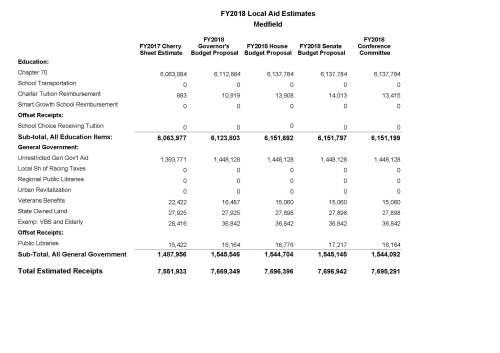
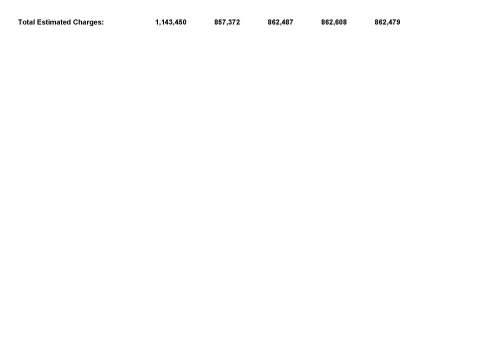
The Massachusetts Department of Revenue is releasing Medfield’s state aid estimates for the fiscal year that just started July 1 (copy attached below).  Our state aid went up over the prior fiscal year about $140,000, but I do not make sense of the year over year decrease in the Local Aid Assessments.

============================================================

FY2018 Preliminary Cherry Sheet Estimates

The Division of Local Services has posted on its website preliminary cherry sheet estimates based on the Conference Committee budget recommendations approved by the legislature on Friday.


General Government: Unrestricted Gen Gov't Aid 1,393,771 1,448,128 1,448,128 1,448,128 1,448,128 Local Sh of Racing Taxes 0 0 0 0 0 Regional Public Libraries 0 0 0 0 0 Urban Revitalization 0 0 0 0 0 Veterans Benefits 22,422 16,487 15,060 15,060 15,060 State Owned Land 27,925 27,925 27,898 27,898 27,898 Exemp: VBS and Elderly 28,416 36,842 36,842 36,842 36,842 FY2018 Local Aid Estimates Medfield FY2017 Cherry Sheet Estimate FY2018 Governor's Budget Proposal FY2018 House Budget Proposal FY2018 Senate Budget Proposal FY2018 Conference Committee Education: Chapter 70 6,063,084 6,112,884 6,137,784 6,137,784 6,137,784 School Transportation 0 0 0 0 0 Charter Tuition Reimbursement 893 10,919 13,908 14,013 13,415 Smart Growth School Reimbursement 0 0 0 0 0 Offset Receipts: School Choice Receiving Tuition 0 0 0 0 0 Sub-total, All Education Items: 6,063,977 6,123,803 6,151,692 6,151,797 6,151,199 Offset Receipts: Public Libraries 15,422 16,164 16,776 17,217 16,164 Sub-Total, All General Government 1,487,956 1,545,546 1,544,704 1,545,145 1,544,092 Total Estimated Receipts 7,551,933 7,669,349 7,696,396 7,696,942 7,695,29120170711-CherrySheetBudgets_Page_220170711-CherrySheetBudgets_Page_3

MMA says state budget protected municipalities

This alert came yesterday from the Massachusetts Municipal Association with its analysis of the state budget that passed the legislature this week: “Legislators recognize that cities and towns have already passed their fiscal 2018 budgets, which is why they protected the UGGA and Chapter 70 increases that were announced earlier this year and included in the House and Senate budgets.”

MMA

July 7, 2017
 

LEGISLATURE’S FY 2018 STATE BUDGET FULLY FUNDS 39.9 MILLION UGGA INCREASE

LAWMAKERS VOTE TODAY ON THE BUDGET AFTER LOWERING FY 2018 REVENUE ESTIMATES BY $700M

IN SPITE OF WIDESPREAD CUTS TO STATE ACCOUNTS, LEGISLATORS MAINTAIN KEY INVESTMENTS IN MUNICIPAL AND SCHOOL AID

• INCLUDES THE FULL $39.9M INCREASE IN UNRESTRICTED MUNICIPAL AID (UGGA)

• INCREASES CHAPTER 70 TO $4.75B TO FUND MINIMUM AID AT $30 PER STUDENT

• CH. 70 INCLUDES $12.5M TO PROTECT AGAINST LOST FUNDING FOR LOW-INCOME STUDENTS

• ADDS $4M TO SPECIAL EDUCATION CIRCUIT BREAKER

• LEVEL-FUNDS MOST OTHER MUNICIPAL AND SCHOOL ACCOUNTS

• AIRBNB LODGING TAX REFORMS DEFERRED TO SEPARATE LEGISLATION 


Earlier this morning, the Legislature’s budget conference committee reported out a lean $40.2 billion fiscal 2018 state budget plan that is based on a $700 million reduction in expected tax revenues for next year. Very weak tax collections this year have created a $440 million hole in the FY 2017 budget, and forced lawmakers to make a $700 million downward adjustment in their FY 2018 forecast.

The House and Senate have scheduled formal sessions for this afternoon (Friday, July 7th), and it is expected that legislators will vote to approve and send the budget to Governor Baker today. The Governor will then have 10 days to sign, veto or recommend changes to the appropriations and outside sections.

While the Legislature’s budget enacts widespread reductions in state budget accounts, Representatives and Senators are clearly protecting and prioritizing municipal and school aid, as the conference committee budget (H. 3800) makes key investments in local aid priorities, including a $39.9 million increase in unrestricted municipal aid (UGGA), a $119 million increase in Chapter 70 school aid, and a $4 million increase in special education reimbursements. The remaining accounts are generally level funded.

Legislators recognize that cities and towns have already passed their fiscal 2018 budgets, which is why they protected the UGGA and Chapter 70 increases that were announced earlier this year and included in the House and Senate budgets. Any last-minute reductions in UGGA or Chapter 70 would have disrupted local budgets and forced mid-year cuts. Fortunately, lawmakers went to great lengths to prevent this.

Please Click this Link Now to Download H. 3800, the Legislature’s Fiscal 2018 Budget – You Can See Your Community’s UGGA and Chapter 70 Amounts in Section 3 of the Budget, which Starts on Page 226
$39.9 MILLION INCREASE IN UNRESTRICTED MUNICIPAL AID
In a major victory for cities and towns, the Legislature’s fiscal 2018 budget plan provides $1.061 billion for UGGA, a $39.9 million increase over current funding – the same increase proposed by Governor Baker and voted by the House and Senate. Almost all of UGGA funding comes from $985M in expected Lottery proceeds and $65M from the Plainridge gaming facility. The full $39.9 million UGGA increase is a top priority for cities and towns, because municipalities are counting on these funds to balance their budgets and maintain essential services for their residents.

CHAPTER 70 MINIMUM AID WOULD INCREASE TO $30 PER STUDENT
With $4.75 billion for Chapter 70 aid, the Legislature’s budget includes a $119 million increase in Chapter 70 education aid (this is $27.5 million higher than the $91.4 million increase in House One), providing a minimum aid increase of at least $30 per student (compared to the $20-per-student amount in the Governor’s budget). The Legislature’s budget continues to implement the target share provisions enacted in 2007, and builds on the proposal by the Governor to start addressing shortfalls in the foundation budget framework. The Legislature’s budget increases foundation budget funding by adding more weight to the health insurance cost factor.

The Legislature’s budget includes $12.5M in the Chapter 70 appropriation to hold school districts harmless from changes in the method of counting low-income students. This is similar to the Legislature’s handling of the problem in the fiscal 2017 budget. H. 3800 includes language stating that this “transitional” assistance to address the problems in calculating low-income student costs is included in the per-district distribution amounts listed in Section 3 of the budget.

In the context of a very tight budget year, the Legislature’s increase in Chapter 70 funding is certainly welcome progress. The MMA continues to give top priority to full funding for the Foundation Budget Review Commission’s recommendations, and over the long-term will work to build on this increase.

$4 MILLION INCREASE FOR THE SPECIAL EDUCATION CIRCUIT BREAKER
In another budget advancement for cities and towns, the Legislature’s budget would add $4 million to the Special Education Circuit Breaker program, providing $281 million. The Governor’s budget proposed level-funding at $277 million. The $4 million increase is a step forward, although this is still short of full funding for a vital program that every city, town and school district relies on to fund state-mandated services. The MMA will work to continue building on this welcome increase.

FUNDING FOR CHARTER SCHOOL REIMBURSEMENTS REMAINS FLAT
The Legislature’s budget would level-fund charter school reimbursements at $80.5 million, far below the amount necessary to fully fund the statutory formula that was originally established to offset a portion of the funding that communities are required to transfer to charter schools. The fiscal 2017 funding level is $54.6 million below what is necessary to fund the reimbursement formula that is written into state law. If this program is level funded, the shortfall will grow to an estimated $76.4 million in fiscal 2018. This would lead to the continued and growing diversion of Chapter 70 funds away from municipally operated school districts, and place greater strain on the districts that serve 96% of public school children. Solving the charter school funding problem is a major priority for the MMA.

REGIONAL SCHOOL TRANSPORTATION, PAYMENTS-IN-LIEU-OF-TAXES (PILOT), LIBRARY AID ACCOUNTS, METCO, McKINNEY-VENTO, AND SHANNON ANTI-GANG GRANTS
Compared to current fiscal 2017 appropriations, the Legislature’s fiscal 2018 budget increases Regional School Transportation Reimbursements by $1 million (up to $61.5 million), a very important account for smaller and rural communities. The budget would level-fund PILOT payments at $26.77 million, add $188K to library grant programs, level-fund METCO, and fund McKinney-Vento reimbursements at $8.1 million, a reduction of $250K. The Legislature’s budget would level-fund Shannon Anti-Gang Grants at $6 million.

CONFERENCE COMMITTEE BUDGET DEFERS IMPORTANT IMPROVEMENTS TO THE LOCAL AND STATE LODGING EXCISE TAX TO SEPARATE LEGISLATION
The Legislature’s final budget defers action on important reforms to the room occupancy excise. Progress on this issue will now focus on separate legislation that is being crafted by Rep. Aaron Michlewitz in the House. The Senate budget had included language to close loopholes that allow the increasing variety of transient and other short-term rentals to escape taxation, including rentals through Airbnb and other similar online companies and through on-line re-sellers. These are important steps to bring parity and a level-playing field to the collection of lodging excise payments, and the MMA will continue to work hard to achieve passage this year.

Please Call Your Representatives and Senators Today to Say Thank You for the Local Aid Investments in the Legislature’s Budget – Including the $39.9 Million Increase in Unrestricted Local Aid and the $119 Million Increase in Chapter 70 School Aid

Thank You Very Much!